NC Property Tax Amendment and Raleigh Housing Bond: What the 2026 Election Means for Triangle Real Estate
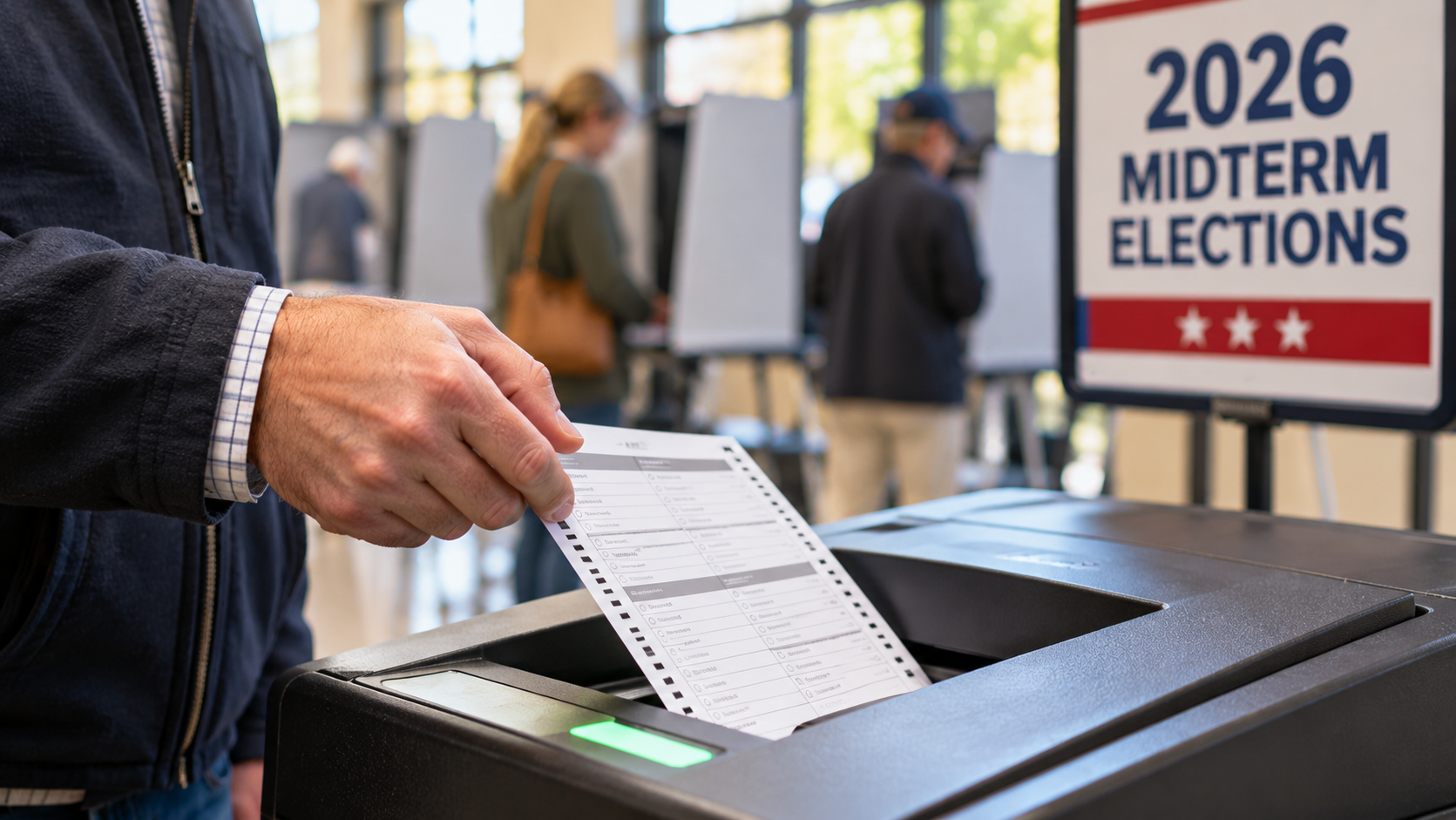
The recent midterm election results affect residential real estate all throughout North Carolina, and Raleigh in particular. Tuesday night, two ballot measures passed that will impact the Triangle housing market for years to come. Neither is cause for panic, but both deserve a clear-eyed explanation rather than political spin.
WUNC News covered both results on election night. Here is what the votes actually mean for Triangle homeowners, buyers, and sellers.
NC Property Tax Constitutional Amendment: What It Does (and Does Not) Do
Roughly 60% of North Carolina voters approved a constitutional amendment requiring the NC General Assembly to set a levy limit on how much local governments can increase property taxes in a given year.
What it says: Local governments — cities, counties — can no longer increase their property tax levy without restriction. The state legislature will set the cap.
What it does not say: There is no specific cap in the amendment itself. The amendment gives the General Assembly the authority to create one. The actual number has not been set. Lawmakers created a Senate Select Committee on Property Tax Reform, made up of 20 legislators, to study the issue and recommend a framework. That committee’s work is expected to continue through December 2026 and into the new legislative session.
What it does not change right now: Your property tax bill for this year is not affected. Local government budgets in place today are not being clawed back. The existing state statutory limit — currently set at $1.50 per $100 of appraised value — remains in place.
The critical point about individual bills: This amendment places limits on the total tax levy a local government can impose year over year. It does not freeze individual property values. If Wake County conducts a reappraisal and your home’s assessed value increases significantly, your tax bill can still go up — even under this new amendment. The cap applies to the government’s overall revenue, not to what any individual homeowner pays.
If you have a reappraisal coming up and want to understand how that affects your bill, I covered the mechanics in my guide to understanding property reassessments in NC.
Supporters framed this as a protection for homeowners on fixed incomes and families watching their tax bills rise faster than their incomes.
Critics — including local government advocates and school funding groups — argued that levy limits could force cities and counties to cut services or defer infrastructure as populations grow.
What happens next: The General Assembly will likely take this up in its December session or early 2027. Until they set a specific cap and write implementing language, local governments continue operating under existing rules. Keep watching for GA action before year-end.
Raleigh’s $203 Million Bond Package: What Voters Approved
Raleigh voters approved two separate bond measures Tuesday, both funded from the city’s existing savings. The Raleigh bond results confirmed no property tax increase is required for either.
Housing bond: $101.5 million — approved by approximately 65% of voters
This money is split across four priorities:
- $57.6 million for affordable housing creation and preservation
- $21.5 million for major housing projects
- $12 million for homelessness response
- $10.4 million for homebuyer assistance programs and housing support for seniors
The homebuyer assistance piece is the most directly relevant for buyers. Raleigh already has down payment assistance programs for qualifying buyers. This bond money expands that capacity considerably. You can find current program details in my guide to down payment assistance for first-time buyers in Raleigh.
Transportation bond: $101.5 million — approved by approximately 68% of voters
Transportation funding breaks down as:
- $51.5 million for road improvements, including Marsh Creek Road, Trawick Road (western section), Ebenezer Church Road, and BRT (bus rapid transit) southern corridor lanes
- $40 million for walk and bike network expansion: more than 5 miles of new sidewalks and roughly 50 miles of new bike infrastructure
- $10 million for traffic calming measures
What this means for Triangle real estate: Infrastructure investment typically supports property values in the neighborhoods it reaches. Better connectivity, transit options, and road improvements make areas more accessible and more desirable. If you are buying in areas near the BRT southern corridor or in the neighborhoods that will see road improvements, this bond is a positive signal for long-term value.
The affordable housing investment matters for the whole market. Raleigh has faced significant affordability pressure. Adding housing supply — even at the affordable end of the spectrum — helps ease price pressure across the board. That is good for buyers, good for the region’s economic competitiveness, and good for sustaining demand from the workforce buyers that drive Triangle real estate. If you are weighing renting vs. buying in Raleigh right now, affordability trajectory is part of that calculation.
Frequently Asked Questions
Does the NC property tax amendment cap my individual property tax bill?
No, it does not. The amendment limits how much local governments can grow their overall property tax levy from year to year — not what any individual homeowner pays. If your property’s assessed value increases after a reappraisal, your bill can still go up even under this new framework. The cap controls the government’s total revenue collection, not the tax calculated on a specific property. NC law allows counties to conduct reappraisals on their own schedules, and those reappraisals can significantly change individual bills even when the overall levy is capped.
When will the NC General Assembly set the actual property tax cap?
The amendment passed on November 3, 2026, but it does not include a specific number. The General Assembly must pass implementing legislation before any cap takes effect. A Senate Select Committee on Property Tax Reform, made up of 20 legislators, was formed in September 2026 to study the issue. Lawmakers are expected to take this up in a December 2026 session or in early 2027. There is no cap in effect right now, and local governments continue operating under existing rules.
Can my property tax bill still go up after this amendment passes?
Yes. The amendment does not freeze your home’s assessed value or prevent local governments from adjusting rates within the future cap. After a property reappraisal, your assessed value could increase and your tax bill could rise with it. This is true even where the levy itself is growing more slowly. The amendment targets runaway levy growth at the government level, not individual assessments. If you have a reappraisal coming up and want to understand how your bill is calculated, reach out and I can walk through the basics with you.
How does the Raleigh housing bond affect home buyers?
The most direct impact is the $10.4 million for homebuyer assistance programs. Raleigh already offers down payment assistance for income-qualifying buyers, and this bond expands the capacity of those programs. The broader affordable housing investment also matters: adding housing supply helps moderate price pressure across the market, which benefits buyers at all price points over time. When you get pre-approved for a mortgage, ask your lender about current down payment assistance programs in Raleigh — this bond increases what may be available.
Is the Raleigh housing bond going to increase property taxes?
No. Both bond measures — the $101.5 million housing bond and the $101.5 million transportation bond — are funded from the city of Raleigh’s existing savings. The city confirmed explicitly that no property tax increase is required to fund either bond package. The total $203 million investment is financed without asking homeowners or renters to pay more in property taxes.
Taken together, Tuesday’s results tell a clear story: voters want some protection from unchecked property tax increases, they want to invest in housing affordability, and they want better infrastructure. All three instincts make sense for a fast-growing metro like the Triangle.
The practical impact of the property tax amendment will depend on what number the General Assembly sets — and that work is still ahead. For now, the most important thing to understand is that nothing about your current bill or local government budget changes today.
If you are a homeowner, buyer, or seller and want to talk through how any of this affects your specific situation, I would be glad to help. Email me at brandon@theoceanairerealty.com or call or text 910-228-6481 — no pressure, no obligation, just a conversation about where you stand.
About Brandon Yopp
Brandon Yopp is a top-producing REALTOR® with The Oceanaire Realty, serving sellers and buyers across Raleigh, Durham, Chapel Hill, Cary, Apex, and the surrounding Triangle communities in North Carolina. A Triangle resident for more than 20 years, Brandon is known for deep local market knowledge, strategic pricing, expert negotiation, and a marketing approach built to give sellers maximum exposure across the platforms today’s buyers actually use. He’s a multi-year Triangle Real Producers Top 500 honoree and a Certified Luxury Home Marketing Specialist™, guiding first-time buyers, upsizers, downsizers, relocating clients, and investors through the Triangle market with confidence. Over 90% of his business comes from repeat clients and referrals.