How Long Does It Take to Close on a Home in Raleigh, NC?
Most buyers who ask “how long does closing take?” are doing the math on their rate lock, their lease end date, or a job start date back at the office. They need a real answer, not a range so wide it’s useless.
Here’s the practical Raleigh, NC closing timeline, what drives it, and what can push it longer than you planned.
The Raleigh NC Closing Timeline, Week by Week
Here’s how a typical 30 day closing plays out in North Carolina:
Day 1 (Contract signed): Your Due Diligence Fee is delivered directly to the seller. Earnest money goes to escrow holder, which is typically the closing attorney. Both are due immediately. Your DD Fee is nonrefundable from the moment it changes hands, so your clock starts now. If you’re buying in an HOA or condo community, have you closing attorney request the resale documents from the management company as soon as possible.
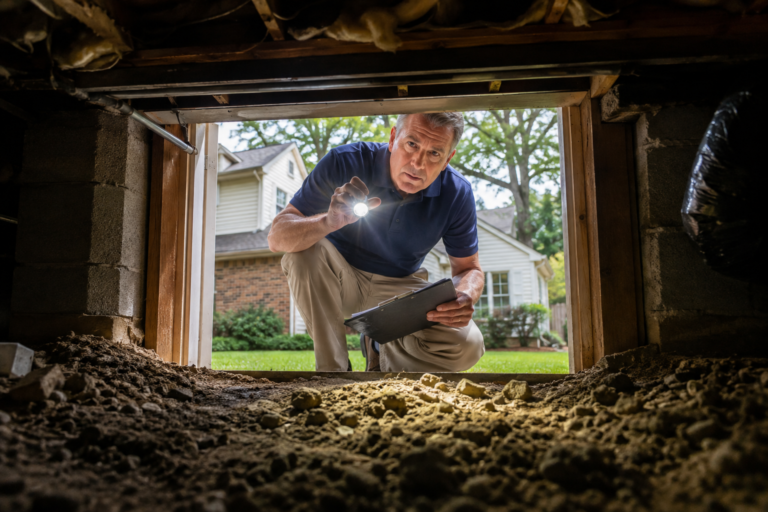
Days 1 to 3: Schedule your home inspection. You want this done early in the Due Diligence Period so you have time to negotiate repairs or renegotiate the purchase price if something significant surfaces. If the property has a well, septic system, or radon concern, book those specialized inspections now. Once your inspection is complete and your lender is formal, order the appraisal.
Days 3 to 21 (Due Diligence Period): This window is the heart of your timeline. In Raleigh NC, most contracts use a 14 to 21 day Due Diligence Period, though buyers and sellers can negotiate this number. During this window, you complete inspections, negotiate any repair credits or price adjustments, and continue moving your loan forward. If you walk away during Due Diligence, you lose the DD Fee but keep your earnest money. After the DD Period ends, walking away costs you both.
To understand how the Due Diligence Fee works in detail, read What Is the NC Due Diligence Fee? before you write your offer.
Days 7 to 21 (Appraisal): After the appraiser visits the property, expect 3 to 7 business days for the written report. From order to completed report, plan 10 to 21 days total. Spring and summer tend to run longer because appraisal demand is high.
Days 7 to 27 (Underwriting): This is where most delays happen. Underwriting takes 7 to 21 days after the appraisal clears. Your lender may issue a conditional approval, which means underwriting signed off on the loan but needs additional documentation first. Respond to every underwriting request the same day. One missing document can push your closing by a week.
Days 26-27: Lender issues “clear to close.” Your Closing Disclosure is issued at least 3 business days before signing. Federal law requires this waiting period. You cannot close before those 3 days pass, even if everyone is ready. Use this window to arrange your closing funds.
Day 30 (Final Walkthrough): Brandon always does his final walkthroughs the same day as closing immediately before heading to the attorneys office to sign. This is your opportunity to confirm the property is in the agreed condition. If repairs were negotiated, verify they were completed. If the seller is still in the home, confirm they’re out.
Closing Day: You sign loan documents and transfer documents at your attorney’s office. Under the NC Good Funds Settlement Act, your attorney cannot disburse any funds until the deed and deed of trust are recorded with the Wake County Register of Deeds. That means sellers don’t receive their proceeds at the closing table. They receive them after recording confirms, usually the same day, sometimes the following morning.
For a full breakdown of every step that happens once your offer is accepted, read What Happens After Your Offer Is Accepted in North Carolina?
Why NC Closings Work Differently
If you’ve bought a home in another state, a few things about the North Carolina process may surprise you.
North Carolina is an attorney-closing state. Unlike most states where title companies handle closings, NC law requires a licensed real estate attorney to prepare the deed, conduct the title search, and manage the settlement. You will select your closing attorney, typically with your agent’s recommendation. This is not optional.
Funds cannot be disbursed until the deed records. The NC Good Funds Settlement Act (G.S. Chapter 45A) prohibits your closing attorney from releasing any settlement proceeds until the deed is recorded. Sellers sometimes expect a check at the closing table. In North Carolina, that’s not how it works. The deed records first. Then the money moves.
The Due Diligence Period is front-loaded. In states with inspection contingencies, buyers have rights later in the transaction. In North Carolina, the Due Diligence Period is your primary protection window and it happens early. Once DD ends, your earnest money is at risk if you walk. Negotiate a Due Diligence Period that gives you enough time to do the job right.
Contract deadlines run to 5 PM. If your Due Diligence Period ends on a Tuesday, it ends at 5:00 PM that Tuesday. Not midnight. Not “business close.” Under the standard NC Offer to Purchase and Contract, time-sensitive deadlines default to 5:00 PM Eastern. Deliveries and terminations must meet this standard.
What Can Push Your Timeline Longer
Most 30 day closings stay on track. When they don’t, here’s what’s usually behind it.
Appraisal delays. You can’t order the appraisal until the contract is ratified and your lender gives the green light. Don’t wait. The earlier you order, the earlier you close. During busy seasons in Raleigh, appraisal backlogs can add 5 to 10 days.
Underwriting conditions. A conditional approval is not a denial. It’s a checklist. But if a buyer doesn’t respond quickly to documentation requests, what should have been a 7 to 10 day underwriting process stretches into 3 weeks. Stay close to your inbox during this window.
HOA or condo documents. If your new home is in an HOA community, the association must provide governing documents, financials, and meeting minutes before closing. Management companies can take 5 to 14 calendar days. If your lender requires these documents before underwriting wraps, ordering them late is a guaranteed delay.
Title issues. Old liens that weren’t released, easement disputes, boundary errors, or missing signatures from prior owners are all real occurrences in title searches. Minor title issues get resolved in a few days. Complex ones can take weeks. Your closing attorney handles this, but it’s not instant.
Rate lock timing. Most lenders offer 30, 45, or 60 day rate locks. A 30 day lock works if your lender is fast and nothing hiccups. A 45 day lock gives you more margin. If your rate lock expires before closing, an extension typically costs 0.5% to 1.0% of the total loan amount. That’s real money. On a $450,000 loan, a lock extension can cost $2,250 to $4,500. Match your lock period to a realistic timeline, not a best-case one.
Cash purchases are faster. If you’re buying with cash, you can often close in 7 to 21 days. No appraisal required by a lender. No underwriting. The attorney still prepares the deed and title search, but the financing variables disappear. In a competitive Raleigh submarket where speed matters, cash isn’t just about price, it’s about certainty.
Frequently Asked Questions
What’s the shortest possible closing timeline for a financed purchase in Raleigh NC?
With a highly efficient lender, a cooperative seller, and no delays in appraisal or underwriting, financed closings in Raleigh sometimes close in 21 to 25 days. That’s the exception, not the rule. Most buyers should plan for 30 days and lock their rate accordingly.
Does the NC Due Diligence Period count toward the closing timeline?
Yes. The Due Diligence Period runs concurrently with your closing timeline, not after it. While you’re doing inspections during the first 7 to 14 days, your lender is also processing your loan application. The two tracks run simultaneously, which is part of why North Carolina closings can move efficiently when everyone stays on schedule.
Why don’t sellers get their money at the closing table in NC?
North Carolina’s Good Funds Settlement Act (G.S. Chapter 45A) requires that the closing attorney not disburse any proceeds until the deed and deed of trust are recorded with the county Register of Deeds. Once recording confirms, the attorney releases funds. For most Wake County closings, this happens the same day. Sellers should not plan a same-day wire of proceeds unless they’ve confirmed the recording timeline with their attorney.
What happens if our closing date needs to move in NC?
Unlike some contract terms, the closing date in a standard NC Offer to Purchase and Contract is generally not “time is of the essence” by default, which means a reasonable extension agreed to by both parties typically doesn’t constitute a breach. However, any change should be documented in writing. If you’re relying on a specific closing date for a lease end, a job start, or a rate lock, communicate early rather than scrambling at the end.
How long does it take to close on a new construction home in Raleigh NC?
New construction closings in Raleigh depend almost entirely on when the builder delivers the home. Builder contracts often use a date range rather than a fixed closing date, with closings typically occurring 30 to 45 days after the builder issues a certificate of occupancy. Delays in construction, inspections, or permitting can push the timeline significantly. Lock accordingly, or ask the builder about their preferred lender’s extended rate lock programs.
If you’re running the numbers on your lease, your rate lock, or a job start date and need to know whether your timeline works, that’s exactly the kind of conversation worth having before you write an offer. I’m happy to walk through the process and help you map out a realistic schedule for your situation.
Reach out at brandon@theoceanairerealty.com or call or text 910-228-6481. I offer confidential consultations with no pressure and no obligation.
About Brandon Yopp
Brandon Yopp is a top-producing REALTOR® with The Oceanaire Realty, serving buyers and sellers across Raleigh, Durham, Chapel Hill, Cary, Apex, and the surrounding Triangle communities in North Carolina. A Triangle resident for more than 20 years, Brandon is known for deep local market knowledge, strategic pricing, expert negotiation, and a marketing approach built to give sellers maximum exposure across the platforms today’s buyers actually use. He’s a multi-year Triangle Real Producers Top 500 honoree and a Certified Luxury Home Marketing Specialist™, guiding first-time buyers, upsizers, downsizers, relocating clients, and investors through the Triangle market with confidence. Over 90% of his business comes from repeat clients and referrals.