Selling a House As-Is in Raleigh, NC: What Sellers Need to Know in 2026
Selling “as-is” sounds simple. List the house, skip the repairs, take whatever offer comes in. In practice, it is more nuanced than that, and sellers who misunderstand what “as-is” does and does not mean in North Carolina often end up in difficult contract situations they were not expecting.
Here is the full picture: what as-is means in NC, what sellers still have to disclose, how buyers use the due diligence period on as-is homes, and when selling as-is makes strategic sense in Wake County’s 2026 market.
What “As-Is” Actually Means Under NC Contract Law
When a seller lists a property as-is in North Carolina, they are communicating that they will not perform repairs as a condition of the sale. A buyer who makes an offer on an as-is home is accepting the property in its current condition for purposes of the purchase price and repair expectations.
What this does not mean:
It does not eliminate the buyer’s right to inspect. Under North Carolina’s due diligence structure, buyers retain the right to inspect the property during the negotiated due diligence period regardless of the as-is designation. The buyer can hire inspectors, specialists, contractors, or anyone they choose to evaluate the home.
It does not eliminate the buyer’s right to walk away. If the buyer discovers conditions during due diligence that make the purchase unacceptable to them, they can terminate the contract and recover their earnest money provided they back out before the due diligence period expires (though they forfeit their due diligence fee). “As-is” does not change the fundamental structure of the NC contract.
It does not change the seller’s disclosure obligations. This is the part that catches sellers off guard. Under NC General Statute 47E, sellers of residential property are required to provide the RPOADS to buyers before or at the time of an offer, regardless of whether the home is listed as-is. Marking the listing “as-is” is not a disclosure. It is a repair limitation.
The distinction matters: a seller can legally sell a home in poor condition as-is in North Carolina. They cannot legally conceal known material defects while doing so.
NC Disclosure Law and the As-Is Sale
North Carolina’s disclosure framework is administered by the NC Real Estate Commission, and it applies to all residential sales of one to four units. The RPOADS requires sellers to answer questions about the condition of the structure, roof, foundation, water intrusion, electrical, plumbing, HVAC, and other systems.
For each question, sellers have three response options: Yes (known condition exists), No (no known condition), or No Representation (seller makes no claim). The “No Representation” option does not eliminate disclosure responsibility. It signals that the seller is neither confirming nor denying the condition. A seller who has actual knowledge of a defect and marks “No Representation” to avoid disclosure is engaged in fraudulent concealment and can face civil liability after closing.
The NCREC bulletin on disclosure requirements makes clear that both the RPOADS and the Mineral and Oil Gas Rights Statement are required by law for nearly all residential sales in NC. There are some exemptions, but not many, and they do not apply to the overwhelming majority of real estate transactions in our state.
As-is sellers frequently ask whether they can simply answer “No Representation” to everything. They can, but doing so puts buyers on notice that the seller is not vouching for any condition of the home, which often results in buyers conducting more aggressive inspections and building in larger price concessions or due diligence fees to account for unknown risk.
For the full breakdown of what the RPOADS covers and how to complete it, the NC Seller Disclosure guide on this site is the place to start.
When Selling As-Is Makes Strategic Sense in Raleigh
Selling as-is is a legitimate and sometimes optimal strategy, particularly for these seller situations:
Inherited homes. When a seller inherits a property and has limited knowledge of the home’s condition and history, they are genuinely uncertain about what to disclose. An as-is listing, paired with transparent “No Representation” answers on the RPOADS, sets appropriate buyer expectations from the start. Buyers who purchase as-is inherited homes typically price in unknown risk and conduct thorough inspections.
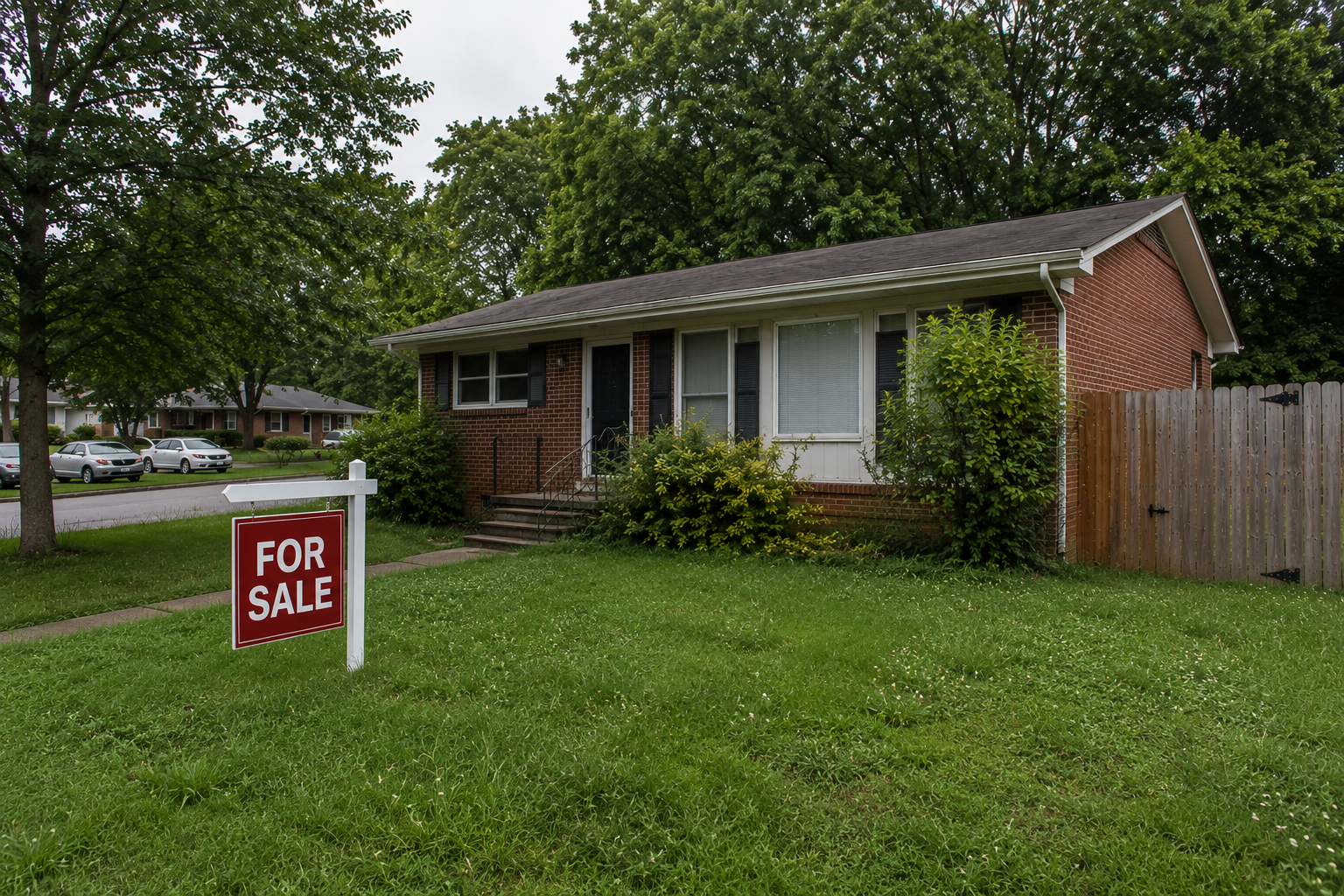
Homes with significant deferred maintenance. If a home needs $40,000 to $80,000 in repairs that the seller cannot or does not want to perform, listing as-is at a price that reflects those needs can attract investors, flippers, or buyers who want to renovate to their own specifications. The as-is designation signals clearly that the price is set to account for condition.
Estate sales and situations requiring a fast close. Sellers who need to close quickly, due to a job relocation, financial pressure, or an estate timeline, can use an as-is listing to attract buyers who prioritize speed over negotiating every repair item. Cash buyers and investors often prefer as-is listings because the process is more predictable.
Sellers unwilling to manage a repair process. Some sellers, particularly those who are not living in the home or are managing a long-distance sale, simply do not have the bandwidth to coordinate repairs, contractors, and staging before listing. As-is is a valid choice. The tradeoff is a lower price or a more limited buyer pool.
What as-is is not ideal for: a seller who has a well-maintained home but wants to avoid inspection negotiations. In that case, a pre-listing inspection followed by addressing the main findings will almost always generate a better net outcome than listing as-is and leaving buyers to assume the worst.
Pricing an As-Is Home in Wake County’s 2026 Market
Pricing an as-is home correctly is the single most important factor in how the transaction goes. Sellers who list as-is at retail pricing will find buyers making aggressive repair credit requests or simply moving on to better-presented alternatives.
Wake County’s 2026 market has given buyers more options: inventory is up more than 20% year over year, and 47% of resale closings in early 2026 carried financial concessions, according to WRAL’s Triangle market reporting. In this environment, an as-is home that is priced at or above comparable retail sales will be passed over by buyers who can choose a move-in-ready alternative at a similar price.
The right pricing approach for an as-is home starts with a current comparable sales analysis (what are similar homes in good condition selling for) and then applies a realistic cost-of-repair discount. If comparable sales are at $500,000 and your home needs $50,000 in repairs, pricing at $440,000 to $455,000 (applying a slight additional buyer-risk discount) is typically more effective than pricing at $475,000 and hoping buyers do not notice the condition.
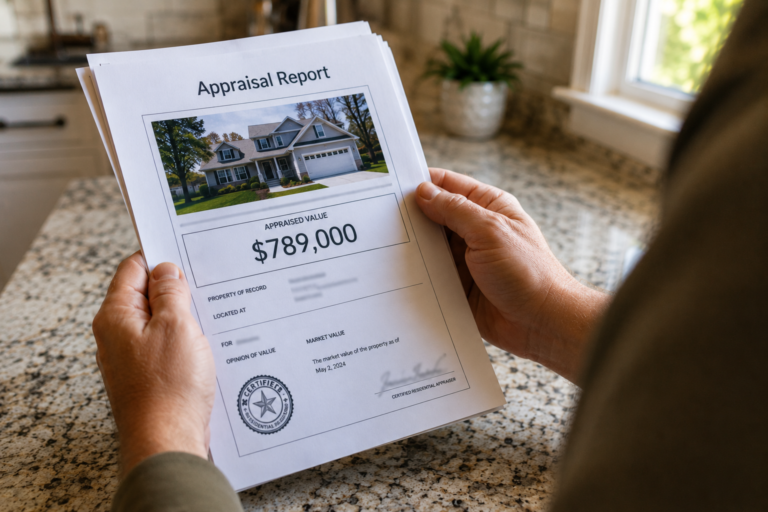
A complimentary home valuation based on current comparable sales is the right starting point for this calculation. The valuation gives you a realistic anchor for what the home would sell for in good condition. From there, the as-is discount can be determined based on documented repair estimates.
What Buyers Do on As-Is Homes During Due Diligence
Buyers who make an offer on an as-is listing typically adjust their approach during the due diligence period:
They often bring in more specialists. A general home inspection may be followed by a structural engineer, a roofing contractor, a plumber, or an HVAC technician, particularly if the RPOADS has “No Representation” answers on material systems. Buyers want to know what they are actually buying.
They may still negotiate repair credits. “As-is” does not prevent a buyer from coming back after inspection with a request. It just means the seller is not obligated to agree. Sellers who are firm on as-is pricing should be prepared to say no to repair requests and have buyers walk during due diligence. Having a backup buyer strategy is important.
They will price their due diligence fee to account for their inspection investment. On an as-is home, buyers may offer a lower due diligence fee to offset the risk they are taking on, or a higher one if they are competing. Understanding how to evaluate those offers is where having an experienced listing agent matters.
For sellers considering an as-is listing and wondering what the current market looks like for their specific property type and location, the June 2026 Wake County market update has the most recent data on pricing and transaction volume. And the Preparing to Sell section of the site walks through the full seller process, including how to evaluate whether as-is or a prepared listing is the right strategy for your situation.
Frequently Asked Questions
Does a seller have to complete the RPOADS when selling a home as-is in NC?
Yes. NC General Statute 47E requires all sellers of one-to-four-unit residential property to provide the Residential Property and Owners Association Disclosure Statement to buyers before or at the time of an offer, regardless of whether the home is listed as-is. The as-is designation communicates that the seller will not make repairs. It does not waive disclosure obligations. Sellers who fail to deliver the RPOADS give buyers the right to rescind the contract within three days, even at the closing table.
Can a buyer still walk away from an as-is contract in North Carolina?
Yes. North Carolina’s due diligence period gives buyers the right to terminate the contract for any reason and recover their earnest money at any point during the negotiated due diligence window. The buyer forfeits their due diligence fee (paid directly to the seller) but recovers their earnest money. An as-is listing does not change the buyer’s termination rights during due diligence. It only communicates the seller’s position on repairs.
What happens if my as-is home fails the buyer’s inspection?
In North Carolina, a failed inspection does not automatically void a contract. Buyers have several options: terminate during due diligence and recover earnest money (forfeiting the DD fee), submit a due diligence repair addendum (Form 310-T) requesting repairs or a credit, accept the home as-is and proceed, or attempt to renegotiate the price. On an as-is listing, sellers are under no contractual obligation to agree to repairs or credits, but buyers are also under no obligation to close. The outcome depends on negotiation and whether the buyer has alternatives in the current market.
Will selling as-is hurt my net proceeds in Raleigh?
It depends on your home’s condition and how you price it. Sellers who list as-is at an appropriately discounted price often net similar amounts to sellers who repair and list at full retail, because the cost of repairs, carrying time, and contractor coordination are real expenses that reduce net proceeds on the repair-and-list path. The as-is path tends to deliver a lower sale price but a faster, simpler close with lower transaction costs. Sellers who list as-is at retail pricing in the current market typically sit longer and ultimately accept a price reduction anyway, combining the worst of both outcomes.
Can I sell my Raleigh home as-is directly to a cash buyer?
Yes, and this is one of the most common use cases for as-is sales in Wake County. Cash buyers, investors, and iBuyers often specifically seek as-is properties. The tradeoff is typically a below-market offer. Cash buyers expect a discount for speed, certainty, and the condition they are accepting. Whether that tradeoff makes sense depends on your timeline, your home’s condition, and what a retail listing would realistically achieve. For most Wake County homes in sellable condition, a retail listing on the MLS will generate more competition and a higher net proceeds than an off-market cash offer, even accounting for repairs.
If you are trying to decide whether to list as-is or invest in preparing your home before listing, that decision is worth a direct conversation about your specific property and timeline. Email brandon@theoceanairerealty.com or call or text 910-228-6481 for a confidential consultation.
About Brandon Yopp
Brandon Yopp is a top-producing REALTOR® with The Oceanaire Realty, serving sellers and buyers across Raleigh, Durham, Chapel Hill, Cary, Apex, and the surrounding Triangle communities in North Carolina. A Triangle resident for more than 20 years, Brandon is known for deep local market knowledge, strategic pricing, expert negotiation, and a marketing approach built to give sellers maximum exposure across the platforms today’s buyers actually use. He’s a multi-year Triangle Real Producers Top 500 honoree and a Certified Luxury Home Marketing Specialist™, guiding first-time buyers, upsizers, downsizers, relocating clients, and investors through the Triangle market with confidence. Over 90% of his business comes from repeat clients and referrals.