
Why Isn’t My Home Selling in Raleigh, NC? What to Do When Your Listing Sits in 2026
A stale listing is one of the most stressful situations in residential real estate. Your home is listed, showings are happening (or not), and yet no offers are coming. Days become weeks. You start second-guessing everything. And the longer it sits, the worse it gets.
Here is what is actually happening, and what to do about it.
The Stigma Problem: Why Days on Market Work Against You
When a home sits on the market in Raleigh, buyers and their agents notice. The Triangle MLS (recently rebranded as Doorify MLS) shows every price change and every day on market. Once a listing passes a certain threshold, buyers start asking “what’s wrong with it?” even if the answer is simply that it was priced too high at launch.
According to Triangle MLS data cited by WRAL, the median days on market in Wake County was 46 days in January 2026, which was 24.3% higher than the prior year. But that number is an average that includes a wide spread: well-priced, move-in ready homes in North Raleigh and Inside-the-Beltline are going under contract in 18 to 21 days, while overpriced or underprepared homes are sitting significantly longer.
That stigma compounds with time. Homes that overprice and eventually reduce are closing at roughly 91% of their original list price, while homes priced correctly from day one are achieving closer to 99% of list. The math of an early price reduction often beats the math of holding too long.
The Three Most Common Causes
Overpricing is the leading cause of stale listings in Raleigh’s 2026 market, and it is almost always the result of setting the price based on peak 2021 or 2022 values rather than current comparable sales. Wake County median prices have moderated from their highs, and buyers have access to the same Redfin and Zillow data you do. If your price is out of step with what comparable homes are actually closing at, buyers will scroll past.
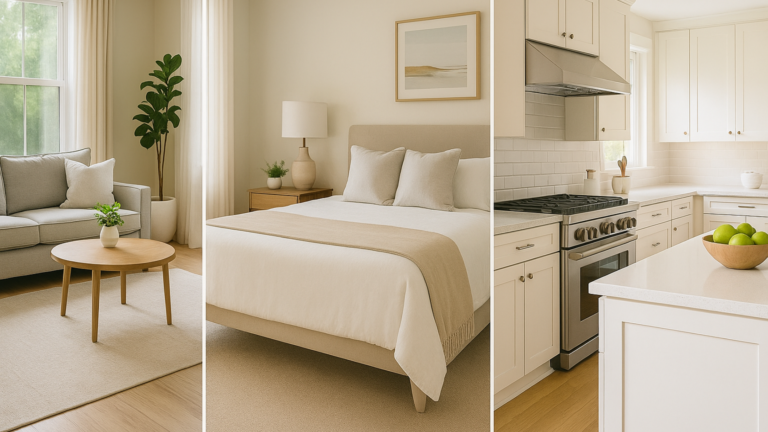
Presentation gaps are the second major cause. In a market where buyers have options — Wake County inventory is up 20.9% year over year per the WRAL data — they are being selective. Homes with dated photos, strong odors, deferred maintenance, or clutter visible in listing photos are getting skipped before a showing is ever scheduled. Before a buyer puts in an offer, they have often seen dozens of listings online, if not a handful in person via showings. Yours needs to stand out from the first photo.
New construction competition in your submarket is the third cause, and it catches a lot of resale sellers off guard. In Wake Forest, Knightdale, and Wendell, builders are actively offering incentives including rate buydowns, appliance packages, and closing cost credits. A buyer comparing your resale to a nearby new construction home with a $20,000 builder incentive package is evaluating two very different value propositions. If your resale is not priced to account for that competition, you will lose buyers before they ever walk through your door.
The good news: all three causes have solutions. None of them require taking your home off the market and starting over — unless you have already waited too long.
What to Do (and When to Do It)
The most important rule in a stale listing situation is: do not wait and hope. Every additional week adds another layer of buyer skepticism and costs you carrying costs — mortgage payment, taxes, insurance, and utilities on a home you are no longer living in.
Price reduction timing. In a balanced market like Wake County’s 2026 market, the standard trigger is 14 to 21 days with no offers and slowing showings. The first reduction should be meaningful: 3% to 4% in most cases. A $10,000 reduction on a $500,000 home (2%) does not move the needle. Buyers and their agents are watching for real adjustments, not gestures. If your home is in the upper-$625,000 range or above, the correction may need to be larger, because buyer competition above that threshold is thinner and negotiating leverage has shifted.
Presentation refresh. If you have been on the market for more than three weeks without a strong offer, it is worth asking your agent to walk the home with fresh eyes. New photography, decluttering, and a deep clean can reset a listing’s perception. On Zillow and Redfin, most buyers make a showing decision within the first three seconds of viewing a listing’s photos. Updated photos after a presentation refresh can generate a noticeable spike in click-through activity.
Reposition for your competition. Work with your agent to understand specifically who your home is competing against right now — not when you listed, but today. If builders in your submarket have added incentives since you went active, your pricing conversation needs to account for that. If three similar resales just reduced their prices, your original price point may be even more out of step than it was a month ago.
Terminating and relisting. Pulling a listing and relisting after improvements or a pricing correction resets the days-on-market clock — but buyers and agents increasingly know how to search for prior listing history. It is not a guaranteed fix. Use it only if you are making substantive changes to the home or a significant price correction, not as a cosmetic reset.
Before making any changes to your listing strategy, a complimentary home valuation using current comparable sales is the right starting point. The most recent 90 days of closed sales in your submarket will tell you exactly where your home should be priced.
What a Prolonged Listing Does to Your Net Proceeds
The financial cost of a stale listing is often underestimated. A $500,000 home carries approximately $100 to $150 per day in holding costs when you factor in mortgage interest, property taxes, insurance, and utilities. At 60 days past your target close date, that is $6,000 to $9,000 in additional costs before you account for any price reduction.
Sellers who take a 3% price reduction at week three are often better off financially than sellers who hold their original price for 90 days and ultimately close at the same net or lower. Run the numbers with your agent before deciding to hold firm.
For a deeper look at what goes into your final proceeds calculation, the Preparing to Sell section of the site has a useful breakdown of the costs sellers typically pay at closing.
Frequently Asked Questions
How long before a home is considered stale on the market in Raleigh NC?
In Raleigh’s 2026 market, most buyers and agents start flagging a listing as stale after 30 to 45 days without a price change or contract. According to Triangle MLS data, the median days on market in Wake County was 46 days in January 2026, making anything approaching that window a signal for buyers to ask questions. In faster-moving submarkets like Inside the Beltline, Cary, and Apex, a listing sits noticeably after 21 days without activity.
How much should I reduce my listing price in Raleigh NC?
A first price reduction of 3% to 4% is typically the minimum needed to generate renewed buyer attention in a balanced market. A $10,000 reduction on a $500,000 home registers as a 2% adjustment and is often too small to change buyer behavior or move the listing to a new price-search bracket on Zillow or Redfin. Larger reductions may be necessary if your original list price was significantly above current comparable sales. Your agent should pull fresh comps before recommending a specific number.
Should I take my home off the market and relist to reset the days-on-market counter?
Delisting and relisting resets the days-on-market display in the MLS, but buyers and buyer’s agents can access prior listing history on most platforms. It works best when paired with substantive changes: a meaningful price correction, professional staging, updated photography, or completed repairs. Delisting without making real changes is usually a short-term optics fix that buyers can see through and it delays your close date further.
I am getting showings but no offers. What does that mean?
Showings without offers almost always signal a price or presentation issue. If buyers are scheduling showings, the listing photos and price are clearing the first filter. But once they walk through and compare your home to others at the same price point, something is not matching their expectations. Ask your agent to gather feedback from recent showing agents — most will share it. The feedback will almost always point to price, specific cosmetic issues, or a comparison to nearby competition.
What is the difference between a price reduction and a seller concession?
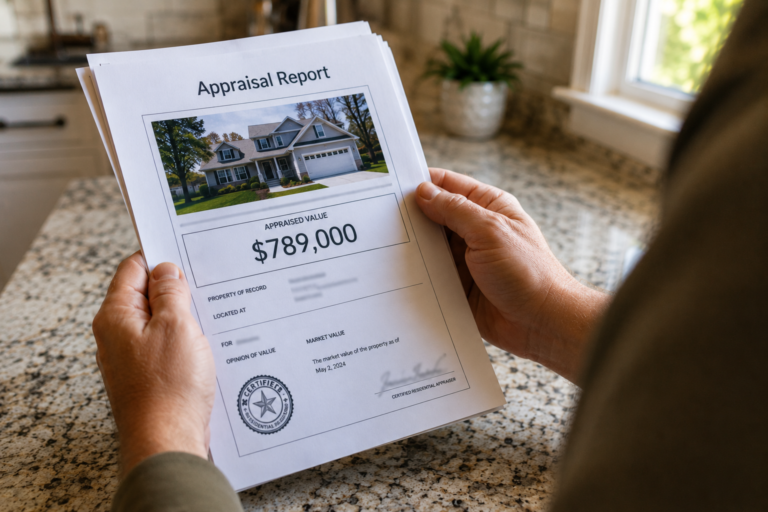
A price reduction lowers your home’s list price and affects how the home appears in search results and price brackets. A seller concession is an offer to cover part of the buyer’s costs (closing cost credit, rate buydown, repair credit) without changing the list price. In Raleigh’s current market, seller concessions are common on active listings but do not solve a fundamental pricing problem. If your home is overpriced, a concession may attract an offer but the appraisal may not support the purchase price, creating a gap that kills the deal. Both tools have a place, but they solve different problems.
If your home is sitting and you are not sure what the right move is, the best next step is a direct conversation about your current listing strategy, your local competition, and what the most recent closed sales actually support.
Email brandon@theoceanairerealty.com or call or text 910-228-6481 to set up a confidential consultation. We will walk through the data together and build a plan that protects your net proceeds.
About Brandon Yopp
Brandon Yopp is a top-producing REALTOR® with The Oceanaire Realty, serving sellers and buyers across Raleigh, Durham, Chapel Hill, Cary, Apex, and the surrounding Triangle communities in North Carolina. A Triangle resident for more than 20 years, Brandon is known for deep local market knowledge, strategic pricing, expert negotiation, and a marketing approach built to give sellers maximum exposure across the platforms today’s buyers actually use. He’s a multi-year Triangle Real Producers Top 500 honoree and a Certified Luxury Home Marketing Specialist™, guiding first-time buyers, upsizers, downsizers, relocating clients, and investors through the Triangle market with confidence. Over 90% of his business comes from repeat clients and referrals.