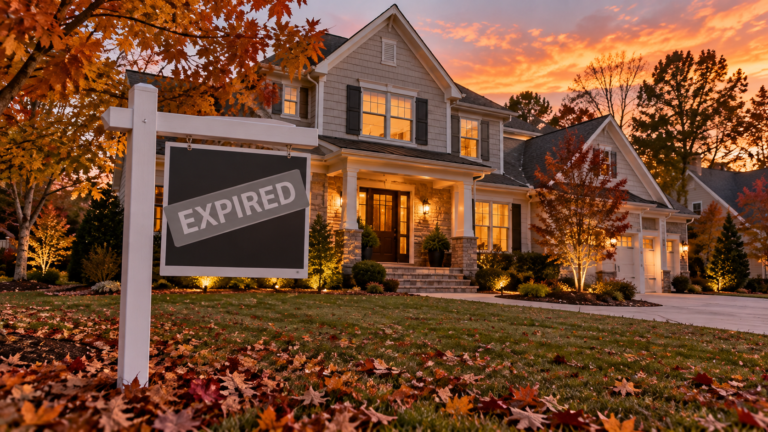

Sell First or Buy First? What Triangle Homeowners Need to Know in 2026
The question every move-up buyer in Raleigh, Durham, and Chapel Hill eventually hits: do you put your current home on the market first, or find your next home first?
There’s no single right answer. But in the current Triangle market, the math has shifted in ways that make one approach significantly clearer for most homeowners.
Here’s what you need to know.
Why Sequencing Matters More Than You Think
The buy-first vs. sell-first question isn’t just a logistics issue. It affects your negotiating position on both ends of the transaction.
If you sell first, you know exactly what you’re working with. No guessing about your net proceeds, no assumptions about how quickly your home will move, and no pressure to accept the first offer that comes in. You show up to your next purchase with cash in hand, clean financing, and no contingencies attached to your offer.
If you buy first, you skip temporary housing. You get to take your time finding the right home, and you can write offers without “subject to sale” language that makes sellers nervous. But you’re also carrying two mortgages until your current home sells, and in a market where Wake County homes are averaging 46 days on market, that adds up quickly.
Neither approach is painless. The question is which tradeoffs you can actually live with given your financial situation, timeline, and where you’re trying to land.
What the 2026 Triangle Market Is Telling You
The Triangle market in spring 2026 is more balanced than it’s been since 2019. Wake County inventory is up 20.9% year-over-year. Homes are selling at roughly 98% of list price on average, compared to the 105%+ premiums buyers were paying in 2022. Days on market have climbed to 38 to 46 days across the region.
What this means for move-up buyers: the urgency pressure has eased considerably. You’re not losing every home you write an offer on within the first 48 hours. There’s room to be strategic.
It also means that if you sell first, your current home isn’t going to sit on the market indefinitely if it’s priced and prepared correctly. Well-presented homes in desirable pockets of Raleigh, inside the Beltline, North Hills, and Brier Creek are still moving in two to three weeks this spring. Briar Chapel in Chapel Hill is holding strong with a competitive score of 71 out of 100.
The window to be strategic is wider than it was in 2022. Use it.
The Three Paths Triangle Move-Up Buyers Are Taking
Path 1: Sell First, Buy Second
This is the most financially straightforward approach. You list your home, accept an offer, lock in your proceeds, and then start your search with a clear budget and clean financing. You’ll likely need temporary housing for 30 to 90 days between transactions. That’s a real inconvenience, but it’s rarely as disruptive as homeowners fear when you plan for it ahead of time.
The biggest advantage is negotiating power. A buyer without a sale contingency can move quickly, compete on terms, and give sellers confidence that the deal will close. In a market where sellers are still evaluating every offer carefully, that matters more than most buyers realize.
For Triangle homeowners with families, the most common approach is negotiating a leaseback from your buyer. You close on your sale, the buyer takes title, and you rent back the home for 30 to 60 days while you finalize your next purchase. It doesn’t always work, but in a market where buyers have more options, sellers often have the leverage to ask for reasonable terms.
Path 2: Buy First with a Bridge Loan
A bridge loan uses the equity in your current home to fund the down payment and closing costs on your next home. You own both properties for a period, then sell your current home and pay off the bridge.
The cost is real. Bridge loan rates in 2026 are running between 9% and 11% APR, and total carrying costs for a 6 to 12 month bridge run from $13,000 to $27,000. Most Triangle homeowners who use bridge loans close on their current home in 3 to 4 months, which reduces the actual cost considerably. But you need to factor it into your budget before you commit.
To qualify for a bridge loan in North Carolina, you’ll generally need a credit score of 700 or higher and equity of 20 to 30% in your current home. Your debt-to-income ratio is calculated with all three payments in play: your current mortgage, the bridge loan, and your new mortgage. That’s where a lot of otherwise qualified buyers run into problems.
If the bridge loan rates feel steep, there’s a lower-cost alternative: open a HELOC on your current home before you list. HELOCs are currently running around 8.5% to 9.5% APR, and they can be used for your down payment and paid off with your sale proceeds when you close. One critical detail: lenders will not approve a new HELOC on a home that’s already listed for sale. You need to apply and get it funded before your home goes to market. It’s one of those timing details that’s easy to miss and expensive to discover too late.
Path 3: Contingent Offer
A contingent offer means you make an offer on your next home with a clause stating the purchase is subject to the sale of your current home. It was essentially non-viable in the Triangle during 2022 and 2023, when sellers routinely rejected contingent offers without a second look. In 2026, with more inventory and longer days on market, some sellers are open to contingencies, particularly when your home is already listed and under contract.
The catch in North Carolina is the Due Diligence structure. When a seller accepts a contingent offer, they’re effectively taking their home off the market while they wait for yours to sell. That’s a real cost to them. Understanding how NC’s Due Diligence fee works can help you structure a contingent offer that a Triangle seller will actually consider. A strong non-refundable Due Diligence fee, combined with a short contingency window and an already-listed home, gives the seller meaningful protection and significantly improves your odds.
Your agent should help you model what contingent offer structure makes sense in your price point and target neighborhood, because the right approach varies considerably between Briar Chapel and inside the Beltline.
Which Path Is Right for You?
For most Triangle homeowners, selling first is the cleaner financial play. You eliminate the risk of carrying two mortgages, you come to the purchase table in the strongest possible position, and you know your real budget before you fall in love with a home that may be out of reach.
Bridge loans and contingent offers make sense in specific situations: when your target market is highly competitive and you can’t afford to lose weeks waiting, when you have significant equity and strong cash reserves, or when your income and DTI ratios can absorb the carrying costs without real financial stress.
The conversation I have with most move-up clients starts with the same question: what’s your realistic sale timeline, and what does your equity look like? Those two numbers drive everything else. Your specific situation in Woodcroft, Bedford, or North Hills is going to look different from a neighbor who’s been in the same house for 20 years with a paid-off mortgage. There’s no one-size-fits-all answer here.
Frequently Asked Questions
Can I make a contingent offer on a home in North Carolina?
Yes, contingent offers are legal and accepted in North Carolina, and they’ve become more viable in the 2026 Triangle market as inventory has risen. To make your offer competitive, you’ll want your current home already listed, priced correctly, and ideally already attracting interest. A strong, non-refundable Due Diligence fee can help offset the seller’s risk of taking their home off the market while they wait for yours to sell.
How long does it typically take to sell a home in Raleigh in 2026?
As of spring 2026, the median days on market in Wake County is 46 days, though well-priced, well-prepared homes in neighborhoods like North Hills, Brier Creek, and Inside the Beltline are still moving in 2 to 3 weeks, or often in a matter of days if not hours. Homes that are overpriced or need preparation work are sitting considerably longer. Your specific timeline depends on your price point, location, and how your home compares to active competition in your neighborhood.
What does a bridge loan cost in North Carolina?
Bridge loan rates in 2026 run between 9% and 11% APR. Total carrying costs for a 6 to 12 month bridge typically range from $13,000 to $27,000. Most Triangle homeowners who use bridge loans close on their current home in 3 to 4 months, which reduces the actual cost considerably. You’ll generally need a credit score of 700 or above and 20 to 30% equity in your current home to qualify.
Should I get a HELOC before selling my home?
If you think you might want to use your home equity to fund a purchase before selling, applying for a HELOC before you list makes sense. Lenders typically won’t approve a HELOC on a home that’s already listed for sale. A HELOC used as a down payment bridge can often be more affordable than a traditional bridge loan, with current rates around 8.5% to 9.5%.
Is the Triangle market still competitive for buyers in 2026?
The market is more balanced than it was in 2022 and 2023, but it’s not a buyer’s market across the Triangle. Homes in well-located, well-priced neighborhoods are still generating strong interest and moving quickly. The advantage buyers have today is more selection and slightly more room on terms, especially on homes that have been sitting for more than 30 days. Buyers who are prepared, pre-approved, and ready to move quickly still have a real edge.
The sell-first vs. buy-first decision is one of the most consequential choices a move-up homeowner makes, and the right answer depends on your equity, your timeline, your tolerance for carrying costs, and what’s actually happening in your specific submarket right now.
If you want to think through your situation before you commit to a path, I’m happy to set up a confidential consultation. We’ll look at your current home’s likely value and realistic sale timeline, your target purchase range, and which approach makes the most sense given where the Triangle market stands today. No pressure, no obligation. Email me at brandon@theoceanairerealty.com or call or text 910-228-6481 anytime.
About Brandon Yopp
Brandon Yopp is a top-producing REALTOR® with The Oceanaire Realty, serving sellers and buyers across Raleigh, Durham, Chapel Hill, Cary, Apex, and the surrounding Triangle communities in North Carolina. A Triangle resident for more than 20 years, Brandon is known for deep local market knowledge, strategic pricing, expert negotiation, and a marketing approach built to give sellers maximum exposure across the platforms today’s buyers actually use. He’s a multi-year Triangle Real Producers Top 500 honoree and a Certified Luxury Home Marketing Specialist™, guiding first-time buyers, upsizers, downsizers, relocating clients, and investors through the Triangle market with confidence. Over 90% of his business comes from repeat clients and referrals.