Should I Get a Pre-Listing Home Inspection in Raleigh, NC? A Seller’s Guide for 2026
Most sellers never think about a home inspection until after they have an offer in hand. By then, the inspection becomes something that happens to them — a tool the buyer uses to build a repair credit request or negotiate a price reduction. A pre-listing inspection flips that dynamic entirely. It makes the inspection something the seller controls.
Here is what a pre-listing inspection is, how NC disclosure law affects whether to get one, what inspectors typically find in Triangle homes, and how to use the results strategically.
What a Pre-Listing Inspection Is
A pre-listing inspection is a standard home inspection ordered by the seller before the property goes on the market. The same licensed inspector, the same checklist, the same roughly four-hour process — the only difference is who pays for it and when.
The inspection covers the major systems and visible components of the home: roof, foundation, structure, electrical, plumbing, HVAC, crawl space, insulation, windows, and doors. The inspector produces a written report with findings rated by severity. Some items may be immediate safety concerns. Others are deferred maintenance. Some are informational observations with no action required.
What you do with that report is a strategic decision, but you make it before any buyer is involved.
The NC Disclosure Law Angle
North Carolina requires sellers to provide a Residential Property and Owners Association Disclosure Statement (RPOADS) to buyers before or at the time they make an offer. This form requires sellers to answer questions about the condition of the home’s systems, roof, foundation, water intrusion, and other material conditions.
There is an important nuance in NC General Statute 47E: if a seller provides a written inspection report from a licensed inspector in lieu of completing the RPOADS, they are not legally liable for errors, inaccuracies, or omissions in that report. In other words, handing over a complete pre-listing inspection report can actually reduce a seller’s disclosure exposure compared to completing the RPOADS form themselves — because the inspector, not the seller, is vouching for what they observed.
This does not mean sellers can hide known defects. If you know your roof has an active leak and you did not mention it to the inspector, that is not a shield. The protection applies to conditions the seller genuinely did not know about. But for sellers who are uncertain about the condition of specific systems, an honest pre-listing inspection provides legal and practical clarity.
The NCREC Bulletin on disclosure requirements is worth a read before any listing conversation. For a full overview of the RPOADS form and what sellers must disclose under NC law, the NC Seller Disclosure guide on this site covers it in detail.
What Inspectors Find in Triangle Homes
The Raleigh area has specific inspection patterns that sellers should know about before they list:
Crawl space moisture and encapsulation. The Triangle’s humidity and clay soils make crawl space conditions one of the most common inspection findings in the region. Moisture intrusion, mold, wood rot, and inadequate vapor barriers are flagged frequently. Remediation on a minor moisture issue caught early can run a few hundred dollars. The same issue that sits untreated into summer, when mold accelerates in the humidity, can grow into a $3,000 to $15,000 remediation job. Buyers in 2026 are aware of this and often ask for further evaluation on any crawl space finding.
HVAC systems at or near end of life. Inspectors note the age and condition of HVAC units. A system that is 15 years old in Raleigh’s climate has typically seen significant use and may be flagged as “nearing end of expected service life.” Buyers will often request a credit for an aging system even if it is currently functional. Knowing the age and condition of your system before listing lets you decide whether to replace it proactively, price the home to reflect it, or disclose and hold your price.
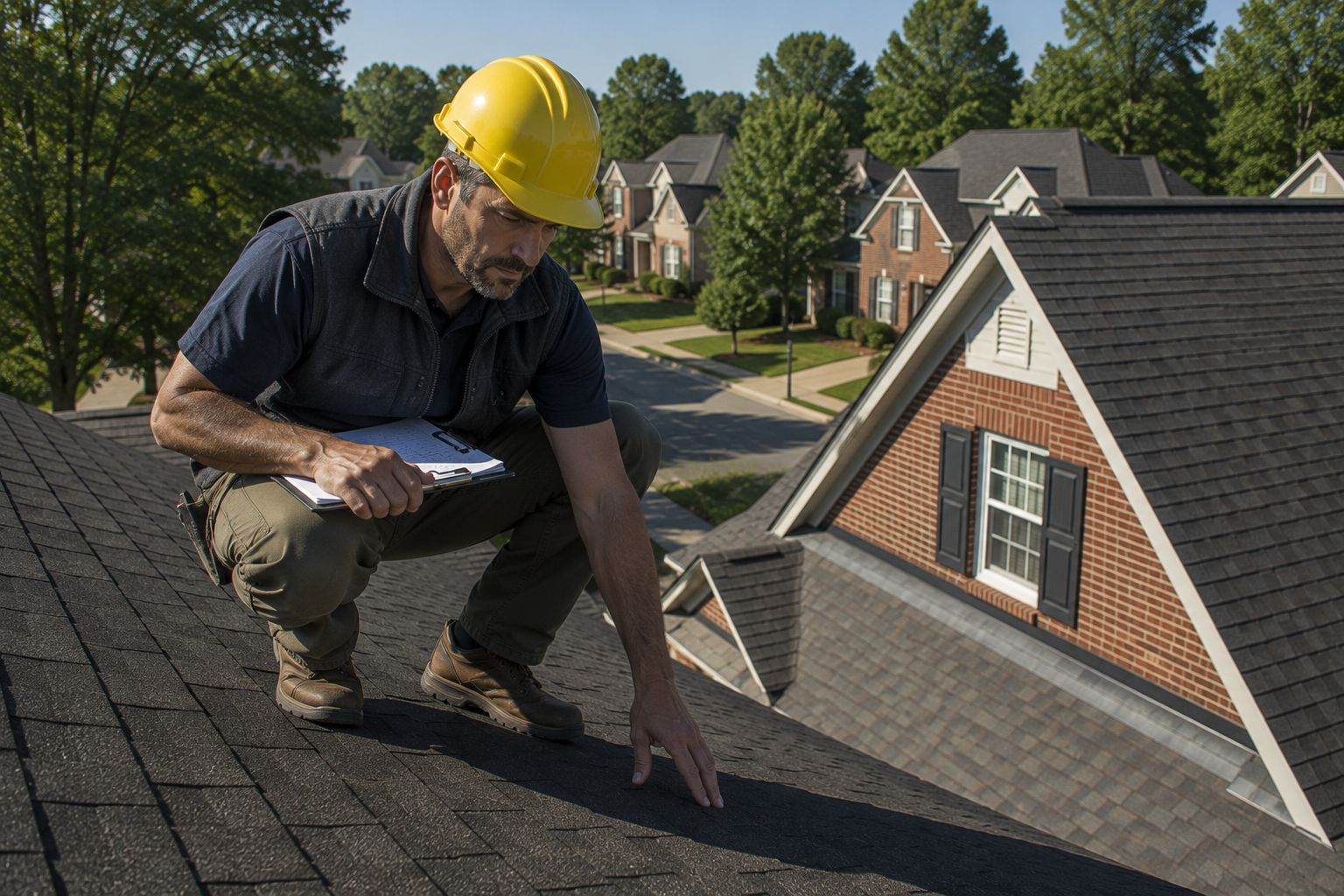
Roof condition. Wake County homes with 20-plus-year-old roofs regularly generate inspection findings around granule loss, flashing condition, and shingle wear. Roof replacement runs $8,000 to $20,000 depending on the size and pitch of the home. Buyers who receive an inspection report with roof concerns almost always follow up with a roofing contractor and request either a credit or a replacement as a condition of closing.
Electrical updates. Older Raleigh homes may have outdated panel configurations, aluminum wiring, or GFCI gaps that inspectors flag. These findings are rarely deal-killers, but they generate repair credit requests — often $1,000 to $5,000 — that could have been addressed for less.
Water intrusion around foundations. Staining, efflorescence, and grading problems that direct water toward the foundation are noted when present. Less common than crawl space issues but significant when found.
The Strategic Decision: Fix, Disclose, or Price
Once you have a pre-listing inspection report, you have three options for each finding:
Fix it before listing. For items that are relatively inexpensive to repair (a leaking plumbing joint, a GFCI update, a minor crawl space moisture issue), completing the repair before going live removes it from any buyer’s leverage toolkit. You can note the repair on your disclosure and show receipts. Buyers see a well-maintained home.
Disclose and price accordingly. For larger items like an aging HVAC or a roof that needs replacement in the next few years, you may choose not to repair but to price the home to reflect the deferred maintenance. A buyer who sees a transparent disclosure and a price that accounts for known issues is less likely to use those issues as post-inspection negotiating ammunition.
Leave it and take your chances. Sellers who skip the pre-listing inspection and leave condition questions unanswered may find a buyer’s inspector generates a long report — often the basis for a repair credit request for more than the actual cost of repair, because buyers negotiate from worst-case estimates.
A complimentary home valuation is a useful companion to a pre-listing inspection — it shows you how your home’s condition affects pricing relative to comparable sales right now, so you can make a data-driven decision about what to fix and what to price through.
What a Pre-Listing Inspection Costs in Raleigh
A standard home inspection in Raleigh typically runs $325 to $550 depending on square footage based upon pricing with several reputable Raleigh area inspection companies. Larger homes, older and historic homes, or homes with additional structures run higher. Add-on services like radon testing ($125 to $175), sewer scope ($150 to $200), or mold testing ($200 to $400) can extend the total if you want a comprehensive picture.
For most sellers, a $400 to $600 investment that removes a $3,000 to $10,000 mid-contract repair negotiation is straightforward math. The question is less about cost and more about what the inspection is likely to find — which is why pre-listing inspections make more sense for older homes (15-plus years) or homes with deferred maintenance than for newer construction likely in good condition.
The 2026 Wake County Context
Wake County’s 2026 market has shifted. Inventory is up more than 20% year over year. Buyers have choices and time. Median days on market in January 2026 was 46 days, well above the sub-20-day pace of 2021. Buyers in this environment read inspection reports carefully. Post-inspection repair credit requests are common, and buyers who receive a long inspection report in a balanced market will often negotiate aggressively or walk.
Sellers who know their home’s condition going into the listing, and who have addressed the most significant findings, reduce the probability of a disrupted contract or a mid-due-diligence renegotiation. For a full breakdown of what the current market means for your listing timeline, the Preparing to Sell section of the site walks through the full picture. And if you want to understand how days on market and inspection findings are affecting sellers in your specific submarket right now, the June 2026 Wake County market update has the most recent data.
Frequently Asked Questions
Do I have to disclose the results of a pre-listing inspection in NC?
Yes, with an important caveat. If you obtain a written inspection report and know of a material defect from it, you must disclose that defect to buyers. Under NC General Statute 47E-6, providing the inspection report to buyers in lieu of completing the RPOADS can protect sellers from liability for errors or omissions in the report itself — but sellers cannot use this protection to conceal known defects. The practical takeaway: get the inspection, share the report with buyers, fix what you can, and be transparent about what you are not repairing.
Will buyers still do their own inspection if I already did a pre-listing inspection?
Almost always. Most buyers and their agents will still order their own inspection during the due diligence period regardless of whether a seller has done one. The value of a pre-listing inspection is not eliminating the buyer’s inspection — it is identifying and addressing significant issues before the buyer’s inspector finds them and uses them as negotiating leverage. A clean buyer’s inspection on a home where the seller already caught and fixed the main issues is a much better outcome than one that turns up a list of problems the seller did not know about.
How does a pre-listing inspection affect the NC due diligence process?
North Carolina’s due diligence period gives buyers the right to inspect and walk away for any reason. A pre-listing inspection does not shorten or change the buyer’s due diligence rights. What it does is reduce the probability that the buyer’s inspector finds something significant enough to trigger a repair credit request, a price renegotiation, or a walkout. In Wake County’s 2026 market, where buyers are using inspection findings as leverage more commonly than in 2021 or 2022, a clean or well-documented pre-listing inspection reduces deal risk.
What is the most common inspection finding in Raleigh NC homes?
Crawl space conditions are among the most common findings in Wake County and the broader Triangle. The region’s humidity, clay soils, and prevalent crawl space construction make moisture-related findings nearly universal in homes older than 10 to 15 years. HVAC age and roof condition are the next most frequent material findings. A seller who knows the condition of their crawl space, HVAC, and roof before listing has addressed the three items most likely to generate buyer negotiation requests.
Is a pre-listing inspection worth it for a newer Raleigh home?
Generally less so. Homes under 7 to 10 years old are less likely to have accumulated the deferred maintenance and system-age issues that generate significant inspection findings. That said, even newer homes can have construction-related issues, settlement cracking, or grading problems that are worth knowing about. If your home is in that range and you have reason to believe it is in good condition, you can reasonably skip the pre-listing inspection and let the buyer’s inspector surface any issues during due diligence. The calculus shifts as homes age and as the market gives buyers more time and leverage to use inspection findings.
Before you decide whether to list, it is worth having a direct conversation about your home’s condition, its likely price point, and how much preparation makes financial sense for your situation.
Email brandon@theoceanairerealty.com or call or text 910-228-6481 to set up a confidential consultation at no cost or obligation.
About Brandon Yopp
Brandon Yopp is a top-producing REALTOR® with The Oceanaire Realty, serving sellers and buyers across Raleigh, Durham, Chapel Hill, Cary, Apex, and the surrounding Triangle communities in North Carolina. A Triangle resident for more than 20 years, Brandon is known for deep local market knowledge, strategic pricing, expert negotiation, and a marketing approach built to give sellers maximum exposure across the platforms today’s buyers actually use. He’s a multi-year Triangle Real Producers Top 500 honoree and a Certified Luxury Home Marketing Specialist™, guiding first-time buyers, upsizers, downsizers, relocating clients, and investors through the Triangle market with confidence. Over 90% of his business comes from repeat clients and referrals.