How Long Does It Take to Get an Offer After Listing in Raleigh, NC in 2026?
Waiting for an offer after you’ve listed your home is one of the more nerve-wracking parts of the selling process. You’ve done the prep work, you’re living around showings, and every day without an offer can start to feel like a signal that something is wrong. Sometimes it is. Sometimes it’s completely normal given your price tier and the time of year.
Here’s how to interpret the silence — and when to take action.
What “Normal” Looks Like by Price Range in the Triangle
The Triangle real estate market in fall 2026 is more balanced than it was during the pandemic sprint of 2021-2022. Buyers are present, but they’re thoughtful and often have options. It also costs them a lot more to borrow money now than it did then. That shifts the timeline compared to what sellers experienced a few years ago.
Under $400,000: This price range still moves relatively quick in the Triangle. If your home is priced right and shows well, a first offer in the first week — often the first weekend after launch — is realistic. Inventory is tightest here, and first-time buyers and investors are actively competing. Going past ten days without an offer at this price point usually indicates a pricing, condition, or location issue.
$400,000 to $600,000: The sweet spot for move-up buyers in the Triangle. Well-prepared, correctly priced homes in this range typically receive their first offer within one to two weeks of listing in many areas. This is also the range where presentation matters most — buyers in this tier are comparing multiple homes and making considered decisions. Lackluster photos or an overpriced ask will push your days on market past three weeks.
$600,000 to $900,000: The buyer pool narrows as prices rise. Expect a one-to-three week window before a first offer in this range, assuming the home is priced to reflect the current market. Homes in well-established neighborhoods (North Hills, Inside the Beltline, Preston, Amberly) tend to move faster than comparable homes in less-recognized submarkets.
Above $900,000: The luxury and semi-custom segment in the Triangle operates on a longer timeline. First offers in two to five weeks are common, and some homes take longer. The pool of pre-approved buyers at this price point is smaller by definition. Correctly priced luxury homes still sell — but sellers need to allow for a longer marketing window and resist the urge to reduce too quickly in the first two weeks.
What Affects How Fast You Get an Offer
Price is the dominant variable, but it’s not the only one. These factors consistently accelerate or delay the first offer:
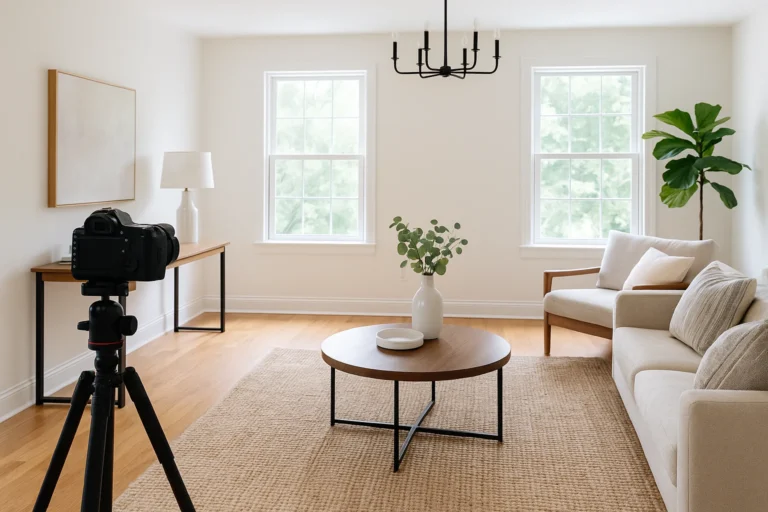
Listing presentation. Professional photography, a well-written description, and strong MLS data entry all matter more than sellers often realize. Buyers and their agents decide whether to schedule a showing based primarily on what they see online. A listing with dark or low-resolution photos gets fewer showings. Fewer showings means fewer offers. Research from the National Association of REALTORS consistently shows that the first step for more than 95% of buyers is an online search — presentation quality at that stage is critical.
Days and time of launch. Listings that go live Thursday or Friday benefit from buyer agents searching for weekend showing options. A Tuesday launch can cost you visibility in that first high-traffic weekend window.
Condition disclosures and pre-listing prep. Homes that are visibly well-maintained attract more showing requests. Buyers’ agents have seen enough homes to know when something looks deferred. If the first thing a buyer sees walking through the door is peeling paint, a dated HVAC unit, and a crawl space warning light, they’ll adjust their offer accordingly — or not make one.
Seasonal timing. Spring (March–May) is peak buying season in the Triangle. Fall (September–October) is the second busiest period. If you’re listing in November or December, expect a slower initial response — but don’t confuse seasonal slowness with market rejection. Buyer motivation tends to be high among those still searching in winter, and competition is lower. According to NC REALTORS market data, the Triangle consistently sees a surge in new listings in the spring, which means sellers who list in October and November often face less competition than those who wait.
Competition in your micro-market. If five comparable homes came to market in your neighborhood the same week, buyers have options. If you’re the only listing in your price range in your ZIP code, demand concentrates on you. I look at this inventory picture before every listing launches.
When to Start Asking Questions
The number I watch is 14 days. If a home is priced correctly, prepared well, and launched into a functioning market, 14 days without an offer or minimum to zero showings in most Triangle price ranges suggests something is off.
A well-priced home in the Triangle in fall 2026 should be generating showings in the first week. No showings in the first week — and I mean zero — is a signal to look at price. This is one of the most common patterns I see discussed in why homes aren’t selling in Raleigh — when the market goes quiet, there’s almost always a specific, correctable reason.
At day 21-25 with no offer, we have a price reduction conversation. This isn’t a defeat — it’s a market correction. A home sitting without offers for six weeks and then dropping 3-5% typically nets less than a home that was correctly priced to begin with and sold in week two. The longer it sits, the more buyers wonder what’s wrong.
I ask personally ask for feedback from every showing agent. That feedback often tells you directly: too small for the price, condition concerns, competition from the new listing around the corner. That’s data, and data is actionable.
What Multiple Offers Actually Mean — and What They Don’t
In the sub-$400,000 range, multiple offers in the first weekend still happen in the Triangle in fall 2026. In the $400,000-$600,000 range, you might see two or three offers in a week if the home is priced sharply and shows well. Above $600,000, multiple offers are less common but not unheard of on particularly well-prepared, well-marketed homes.
What multiple offers tell you: you priced correctly (or maybe slightly below market), and buyers sensed competition. What they don’t tell you: that you’ll net more than the list price. In today’s more balanced Triangle market, most multiple-offer situations land at or modestly above list price, not 10-15% over the way 2021 played out. Managing that expectation before we list helps you make clear-headed decisions when offers actually come in.
Sellers who receive their first offer on day two sometimes panic — “should we have priced higher?” The answer is almost always no. A fast first offer at list price or above is the definition of correct pricing. A slow start and a price reduction is what leaves money on the table.
The Showing Count That Should Concern You
If you’ve had 10+ showings with no offers and are approaching day 14, price is almost certainly the issue. Buyers are coming, looking, and passing — which means they have another option in your range that’s more compelling. If you’ve had fewer than 5 showings in two weeks, the listing is being ignored or overlooked at the search stage — which means price, photos, presentation, or location.
Here’s a rough guide: for a home priced at $500,000, I’d expect 6 showings in the first 14 days in a normally functioning fall market. Fewer than 4 showings tells me we’re not getting to the showing — and that’s a listing-quality issue, a price issue, or both.
Frequently Asked Questions
Is it normal to not get an offer the first week?
In most Triangle price ranges in fall 2026, not getting an offer in the first week is completely normal. The $400,000-and-under range moves the fastest — first-week offers are common when the home is priced right. In the $500,000-$750,000 range, one to two weeks for a first offer is typical. Above $750,000, a two-to-three week window before a first offer is standard. What’s not normal in any price range is zero showings in the first week — that signals a listing or pricing issue worth examining.
How many showings should I expect before getting an offer in Raleigh NC?
In the Triangle’s fall 2026 market, most sellers see a first offer emerge after 6-15 showings in the $400,000-$700,000 range. Lower-priced homes sometimes see offers after just 3-5 showings if buyers are motivated and competition is tight. Luxury homes can require 15-25+ showings before an offer materializes because the buyer pool is smaller and timelines are longer. If you’re past 12-15 showings with no offer in the mid-range, price or condition is working against you.
What does it mean if my house has been on the market 30 days with no offer?
In the Triangle’s current market, 30 days without an offer in most price ranges and locations is a meaningful signal. It typically means the home is overpriced for its condition, presentation, or competition, or there’s a condition issue discouraging buyers who’ve toured. The most productive response is a price adjustment combined with a fresh look at photos, listing description, and feedback from showing agents. Extended days on market start to compound — buyers notice and wonder what others know that they don’t.
What is the average days on market for homes in Raleigh NC right now?
In Wake County, median days on market in fall 2026 is running approximately 18-28 days depending on the price tier and submarket, according to Triangle MLS data tracked by local market reports. The sub-$400,000 range sits closer to 10-15 days. The $500,000-$700,000 range is averaging 20-30 days. Above $800,000, median DOM is 35-50 days. These figures shift month to month. For the most current local data for your specific neighborhood and price range, a comparative market analysis from a local agent is the most accurate picture.
Should I lower my price if I haven’t gotten an offer after two weeks?
Not automatically — but a two-week window without an offer should prompt a structured evaluation, not a knee-jerk reduction. Start with: How many showings have you had? What feedback did showing agents provide? What has sold in your price range in the last 30 days, and how does your home compare? If the data points to overpricing, a surgical reduction of 2-3% often resets buyer interest quickly. If the data shows you’re priced correctly but presentation is the issue, address photos and listing copy before touching the price.
If you want to know how your specific home, price range, and neighborhood are likely to perform in today’s Triangle market before you list, I put that picture together as part of every listing consultation.
Email me at brandon@theoceanairerealty.com or call or text 910-228-6481 to schedule a no-obligation consultation before you set your list price.
About Brandon Yopp
Brandon Yopp is a top-producing REALTOR® with The Oceanaire Realty, serving sellers and buyers across Raleigh, Durham, Chapel Hill, Cary, Apex, and the surrounding Triangle communities in North Carolina. A Triangle resident for more than 20 years, Brandon is known for deep local market knowledge, strategic pricing, expert negotiation, and a marketing approach built to give sellers maximum exposure across the platforms today’s buyers actually use. He’s a multi-year Triangle Real Producers Top 500 honoree and a Certified Luxury Home Marketing Specialist™, guiding first-time buyers, upsizers, downsizers, relocating clients, and investors through the Triangle market with confidence. Over 90% of his business comes from repeat clients and referrals.