What Repairs Should I Make Before Selling My House in Raleigh, NC
One of the most common conversations I have with sellers before we list is this one: “Should I fix that before we go on the market?”
Sometimes the answer is yes. Sometimes it is “do the $400 version, not the $4,000 version.” And sometimes the answer is no — skip it entirely and price accordingly.
Here is a practical framework for making that call, tailored to what Raleigh buyers are responding to right now.
The Repairs That Consistently Pay Off
These are the improvements that deliver real ROI and directly influence buyer behavior. They address the things buyers notice first and use to form their emotional impression of the home.
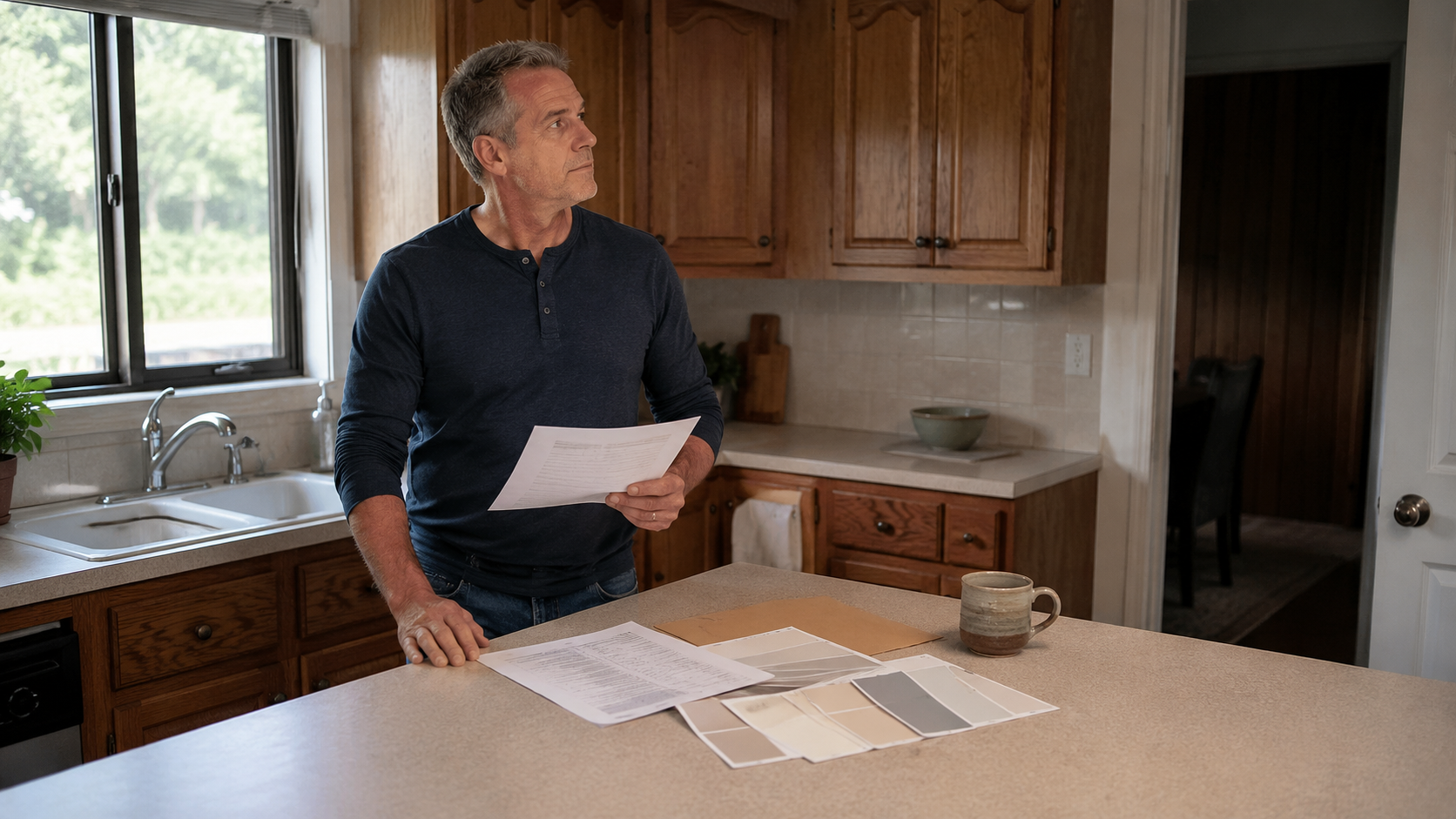
Fresh interior paint
Interior paint is the single highest-ROI repair in the pre-sale toolkit, returning up to 107% of its cost when done well. The key word is “well” — that means full coverage, clean edges, and a neutral palette (warm whites, soft grays, greige tones) that photograph beautifully and appeal to the widest range of buyers.
Cost: roughly $2,000 to $5,000 for a full interior depending on square footage. A professional job makes a meaningful difference over DIY on a home you are preparing to list.
Curb appeal
Four of the five highest-ROI pre-sale improvements involve what buyers see before they walk through the front door. First impressions form within seconds of pulling into the driveway, and buyers who have a negative reaction to the exterior often do not fully recover from it inside.
The highest-return curb appeal items in the Raleigh market:
- Pressure washing the driveway, walkways, siding, and deck: $200 to $400 for a professional job, and it makes a home look noticeably cleaner and better maintained
- Fresh mulch in beds and trimmed landscaping: relatively low cost, high visual impact
- Front door refresh — new paint color or hardware: $100 to $500, depending on approach
- Garage door replacement: 194% ROI; a new insulated door with updated hardware runs approximately $4,500 and is one of the best investments for homes where the garage faces the street
Minor kitchen updates
Minor kitchen updates return approximately 96% of their cost — versus 38% to 59% for a full kitchen remodel. This is a critical distinction. The market rewards kitchens that are clean, functional, and reasonably current. It does not reward $80,000 renovations on a home you are about to sell.
The moves that work: painting or refacing cabinet doors, replacing dated hardware, updating faucets and light fixtures, and cleaning grout lines. If countertops are visibly worn, quartz resurfacing can be worth it. If they are granite from 2012, they are fine.
Flooring
Updated flooring can add an average of $11,700 in value. Luxury vinyl plank (LVP) has become the dominant choice in the Raleigh resale market because it is durable, waterproof, photographs well, and reads as modern. If you have hardwood beneath carpet, refinishing it is almost always the right call. If you have carpet throughout, replacing high-traffic areas with LVP before listing is worth considering.
Bathroom updates
Midrange bathroom remodels return approximately 74% to 80% of cost. In Raleigh’s 2026 market, move-in ready condition matters more than ever — buyers with more inventory to choose from will pass on a home that needs two bathrooms redone. Focus on fixture updates, fresh caulk and grout, and a clean, bright presentation. A full tile and plumbing overhaul is rarely necessary and rarely recovers its full cost.
The Repairs to Skip
These are the improvements that feel logical but consistently fail to recover their cost.
Full kitchen or bathroom renovations. A major kitchen remodel returns only 38% to 59% of its investment at resale. You are renovating to your taste, not the next buyer’s. Unless the kitchen is functionally broken, minor updates almost always outperform a full redo.
Swimming pools and major additions. Pools and additions rarely recover cost in the Triangle market. They also narrow your buyer pool, since not every buyer wants the maintenance responsibility that comes with them.
Custom upgrades. Built-ins, specialty tile work, smart home systems, and other highly personalized features add value for you. They may or may not resonate with the next buyer — and if they do not, you will not recover what you spent.
The rule of thumb: repairs that restore a home to good condition consistently pay off. Renovations that upgrade beyond market-level expectations for your price point usually do not.
The Big Stuff — What Buyers’ Inspectors Are Looking For
In Raleigh’s 2026 market, 47% of closings include financial concessions — and a significant portion of those start with inspection findings. The items that most reliably trigger buyer renegotiation are:
- Roof condition. A roof with 3 to 5 years of life remaining is a known negotiating point. If yours is approaching end of life, a pre-listing estimate gives you options — repair, replace, or price it in — but you should know the number before the buyer does.
- HVAC systems. Older units that are still functional but visibly aging will draw buyer attention. A recent service record and a clear statement of age on the RPOADS goes a long way toward defusing concern.
- Water intrusion. Visible water stains, active moisture, or evidence of past leaks are significant buyer anxiety triggers. Address any active issues before listing.
- Electrical and plumbing. Deferred maintenance items in these categories — outdated panels, leaking supply lines, older water heaters — will appear on inspection reports and often become concession requests.
One thing worth knowing: in North Carolina, sellers are not legally required to make repairs after a buyer’s inspection. The Due Diligence Period is the window for negotiation, and both parties have options. But inspection findings create leverage for buyers, and in a market with 24% more inventory than last year, a well-prepared home is far less likely to face a renegotiation than one where the inspector finds a list.
That is the practical argument for spending $300 to $500 on a pre-listing inspection before you go on the market. It tells you exactly what the buyer’s inspector is going to find, so you can decide on your terms — fix it, price for it, or disclose it — rather than responding during your Due Diligence Period when the buyer has leverage.
Disclosure also matters here. The NC Residential Property and Owner’s Association Disclosure Statement requires sellers to disclose known defects in the home’s major systems and structural elements. Completing it accurately — and understanding what “No Representation” means legally — is important for every Raleigh seller. The post on NC seller disclosure and the RPOADS walks through the full form and what each answer option means.
The bottom line on pre-sale repairs
The goal is not perfection. The goal is removing the friction points that cause buyers to hesitate, negotiate aggressively, or walk away during due diligence. Clean, functional, and well-presented consistently beats expensively renovated in the Raleigh resale market.
Spend on paint, pressure washing, curb appeal, and targeted functional fixes. Think carefully before committing to anything over $10,000. And price your home in a way that accounts for its actual condition — buyers in 2026 are running the math. The Raleigh home pricing guide covers how condition and price interact in the current market.
Frequently Asked Questions
Do sellers in Raleigh NC have to make repairs after a home inspection?
No. Sellers in North Carolina are not legally required to make any repairs after a buyer’s home inspection. However, buyers can use inspection findings as leverage during the Due Diligence Period to request repairs, a price reduction, or a closing cost credit. In practice, most sellers accommodate at least some requests to keep the transaction on track. Buyers using FHA, VA, or USDA financing are an exception: lenders will require certain safety-related issues to be corrected before the loan can close. But even in those situations the sellers are not required to make those repairs.
Is it worth getting a pre-listing inspection before selling my Raleigh home?
In most cases, yes. A pre-listing inspection typically costs $300 to $500 and tells you exactly what the buyer’s inspector is likely to find. This gives you time to address issues on your own terms — at your pace, with your contractors, at prices you choose — rather than responding to an inspection report during the Due Diligence Period when the buyer has leverage. Sellers who complete pre-listing inspections often see smoother transactions and fewer renegotiations.
What home improvements have the best ROI before selling in Raleigh?
Interior paint (up to 107% ROI), pressure washing and basic landscaping (high ROI at low cost), minor kitchen updates such as hardware, faucets, and light fixtures (approximately 96% ROI), garage door replacement (approximately 194% ROI), and flooring updates (adds an average of $11,700 in value) consistently return the most relative to their cost in the Raleigh resale market. Major kitchen remodels and custom additions rarely recover their full cost.
Should I replace my roof before selling my house in Raleigh NC?
It depends on its condition and remaining life. A roof that is actively leaking or at end of life will appear on the buyer’s inspection and become a negotiating point. Getting a professional estimate before listing gives you options: repair specific issues, replace the full roof, or price the home to account for its condition. What you want to avoid is discovering the problem for the first time during your Due Diligence Period, when the buyer has maximum leverage.
What should I disclose about repairs I have already made?
In North Carolina, sellers are required to disclose known defects in major systems and structural elements on the NC Residential Property and Owner’s Association Disclosure Statement, even if repairs have been completed. If you replaced the roof, repaired a plumbing leak, or filed an insurance claim for water damage, that history belongs on the disclosure form. Completed repairs that are properly disclosed are rarely a deal-killer — undisclosed issues that surface after closing can create serious legal exposure.
The decision about what to fix is really a financial decision, not an aesthetic one. The sellers who get the best outcomes in Raleigh’s 2026 market are the ones who spend their pre-sale budget strategically, price their home accurately for its condition, and go on the market with a home that creates a strong first impression without overinvesting in improvements the buyer will not see or value.
If you are preparing to sell in Raleigh, Durham, Cary, Apex, Chapel Hill, or Wake Forest and want to talk through exactly what is worth addressing on your specific home, I am happy to walk through it with you. A confidential consultation takes about 30 minutes and gives you a clear plan before you spend anything. Email brandon@theoceanairerealty.com or call or text 910-228-6481.
About Brandon Yopp
Brandon Yopp is a top-producing REALTOR® with The Oceanaire Realty, serving sellers and buyers across Raleigh, Durham, Chapel Hill, Cary, Apex, and the surrounding Triangle communities in North Carolina. A Triangle resident for more than 20 years, Brandon is known for deep local market knowledge, strategic pricing, expert negotiation, and a marketing approach built to give sellers maximum exposure across the platforms today’s buyers actually use. He’s a multi-year Triangle Real Producers Top 500 honoree and a Certified Luxury Home Marketing Specialist™, guiding first-time buyers, upsizers, downsizers, relocating clients, and investors through the Triangle market with confidence. Over 90% of his business comes from repeat clients and referrals.