

Back in 2020 and 2021, when most of us were spending nearly all our time at home, design priorities changed almost overnight. Dining rooms became offices. Spare bedrooms turned into classrooms. Backyards became everyday escapes.
Homeowners across Raleigh, Durham, Chapel Hill, and surrounding areas invested heavily in making their spaces more comfortable, more practical, and more livable. Those changes were driven by necessity.
As we close out 2025 and look ahead to 2026, the conversation has shifted. Home design is no longer reactive. It is intentional.
Today’s buyers are paying close attention not just to how a home looks, but to how it functions day to day. Flow, light, efficiency, and the overall experience of living in a space matter more than ever. This shift is showing up clearly in buyer behavior and national housing data from Realtor.com.
Rather than chasing short-lived trends or social media inspiration, here is what the data and real buyer activity are telling us about what is in and what is out as we move into 2026.
What’s In for 2026 Home Design
Nature-connected living spaces
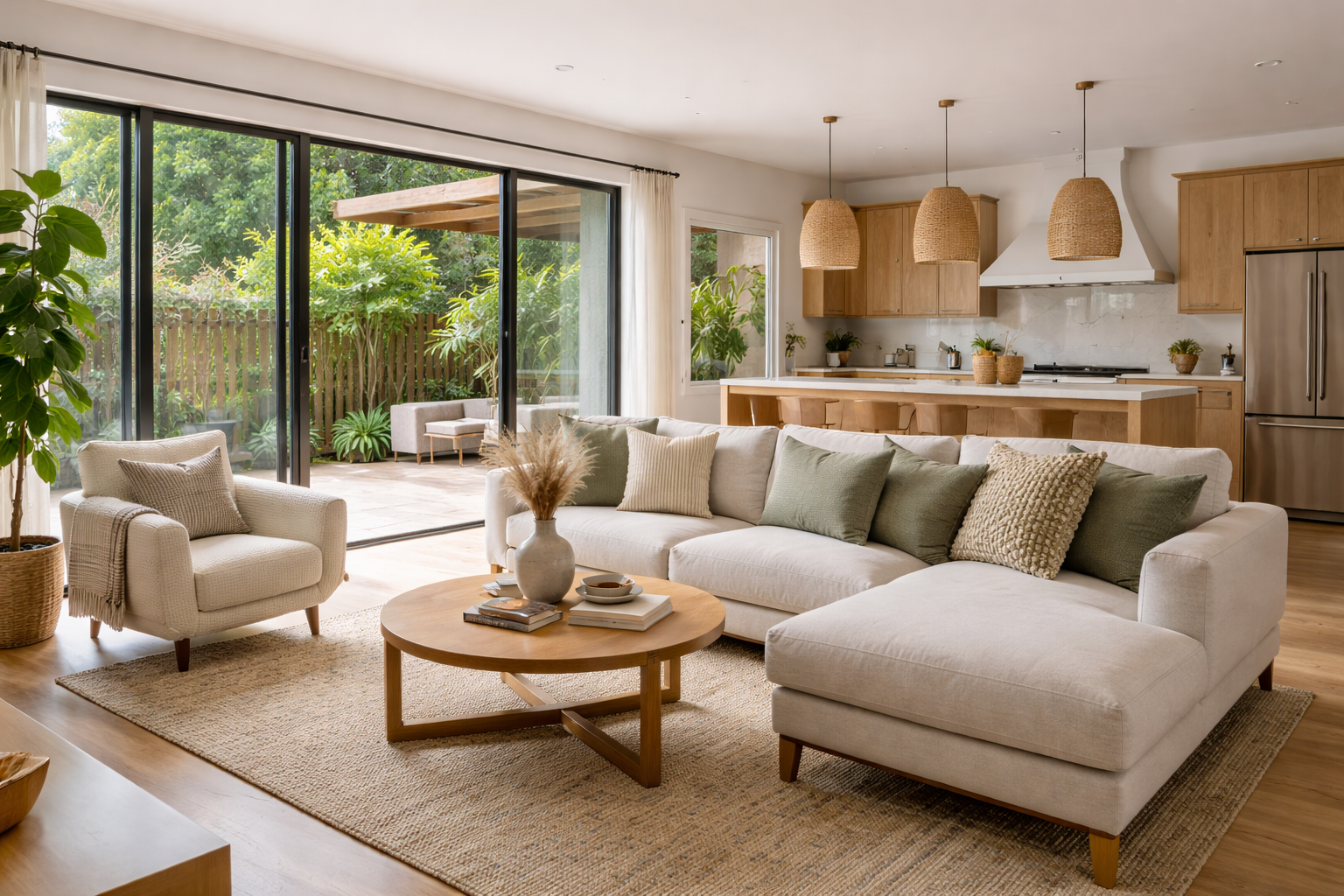
Homes that feel connected to the outdoors are increasingly in demand across the Raleigh, Cary, Apex, and Chapel Hill markets. Large sliding doors, expansive windows, indoor plants, natural materials, and strong natural light help create calm and inviting environments.
Buyers consistently respond to homes that feel open, grounded, and peaceful. These features also make spaces feel larger and more welcoming, which can have a direct impact on perceived value.
Energy-efficient upgrades that lower monthly costs
Energy efficiency is no longer a niche selling point. It is a mainstream expectation for many buyers in North Carolina.
Popular features include:
• Water-saving fixtures
• Net-zero-ready construction
• EV charging stations
• Solar panels and battery backup systems
Homes with energy-efficient features tend to attract more interest in markets like Durham, Wake Forest, and Fuquay-Varina, where buyers are thinking long term about utility costs and sustainability.
Smart home functionality that supports daily life
From automated lighting and thermostats to strong hardwired internet connections, smart home integration continues to grow in importance.
Buyers working hybrid schedules value homes that support productivity, convenience, and control. These features are especially appealing in suburban markets like Holly Springs, Clayton, and Pittsboro.
Wellness-focused design
Homes are increasingly expected to support both physical and mental well-being. Buyers are responding positively to features like:
• Home gyms or flexible fitness spaces
• Spa-inspired bathrooms
• Cold plunge or sauna options
• Calm outdoor living areas
This trend is especially noticeable in higher-end homes throughout Chapel Hill, North Raleigh, and Cary.
Warm modern aesthetics
Design styles that balance modern lines with warmth are winning. Coastal modern influences, two-tone cabinetry, textured finishes, organic materials, and subtle metal accents feel curated without being overwhelming.
These choices age well and appeal to a wide range of buyers, which is important for long-term value.
What’s Out for 2026
Overly formal rooms
Formal dining rooms with heavy built-ins are becoming less desirable. Buyers prefer open layouts and flexible spaces that support everyday living and entertaining.
Oversized, underused features
Three-car garages and highly compartmentalized floor plans are losing ground to smarter layouts that emphasize flow and function.
Heavily ornate design styles
Old-World European interiors and overly decorative finishes are fading in popularity. Buyers are gravitating toward clean, natural, and modern spaces that feel lighter and more timeless.
Ultra-specific luxury additions
Wine vaults, specialty rooms, and infinity-edge pools still have appeal in select markets, but they no longer offer broad buyer appeal and often come with higher maintenance costs.
What This Means for Homeowners in the Triangle
If you are considering updates to your home, the smartest approach is not chasing every trend. It is choosing upgrades that improve both daily livability and long-term resale value.
Smart investments to consider:
• Updating lighting and fixtures
• Creating flexible office or multipurpose spaces
• Enhancing outdoor living areas
• Improving energy efficiency
Upgrades worth reconsidering:
• Highly specialized features that few buyers use
• Overly formal design elements
• Finishes that may feel dated quickly
The Bottom Line
Home design heading into 2026 reflects a shift toward smarter living, natural influence, and intentional comfort. Buyers want homes that feel modern but warm, efficient yet inviting, and stylish without sacrificing function.
Whether you are updating your home for your own enjoyment or preparing for a future sale in Raleigh, Durham, Chapel Hill, Cary, Apex, or the surrounding communities, thoughtful design choices today can make tomorrow’s move smoother and more profitable.
If you want to understand how these trends apply specifically to your home and neighborhood, working with a local real estate professional can help you prioritize updates that make sense for your market and your goals. Connect with me here and let's have a conversation about your goals and how I can assist you in making them a reality.
Thanks for reading!
Brandon
Check out this article next