What Happens When Your Listing Expires in Raleigh, NC: A Seller’s Guide for 2026
Your listing didn’t sell. The listing agreement period ran out, and now you’re sitting with a home that’s been on the market for several months without finding its buyer.
That’s a frustrating place to be. And it’s more common than most sellers realize. More than 78,000 listings expire off the MLS every single week nationwide, a number that’s up 83% from just two years ago. In the Triangle, where inventory has risen and days on market have stretched to 40-65 days in many price bands, expiration isn’t a rare failure. It’s a signal worth reading carefully.
Here’s what actually happens when your listing expires in North Carolina, and what your options are.
What Expiration Means Under NC Law
When you sign a listing agreement with a real estate agent in North Carolina, you’re signing NC Form 101, the Exclusive Right to Sell Listing Agreement. That contract has an expiration date, which is negotiated upfront. In most Triangle transactions, listing periods run for three to six months, though some agents negotiate shorter or longer terms depending on your specific situation.
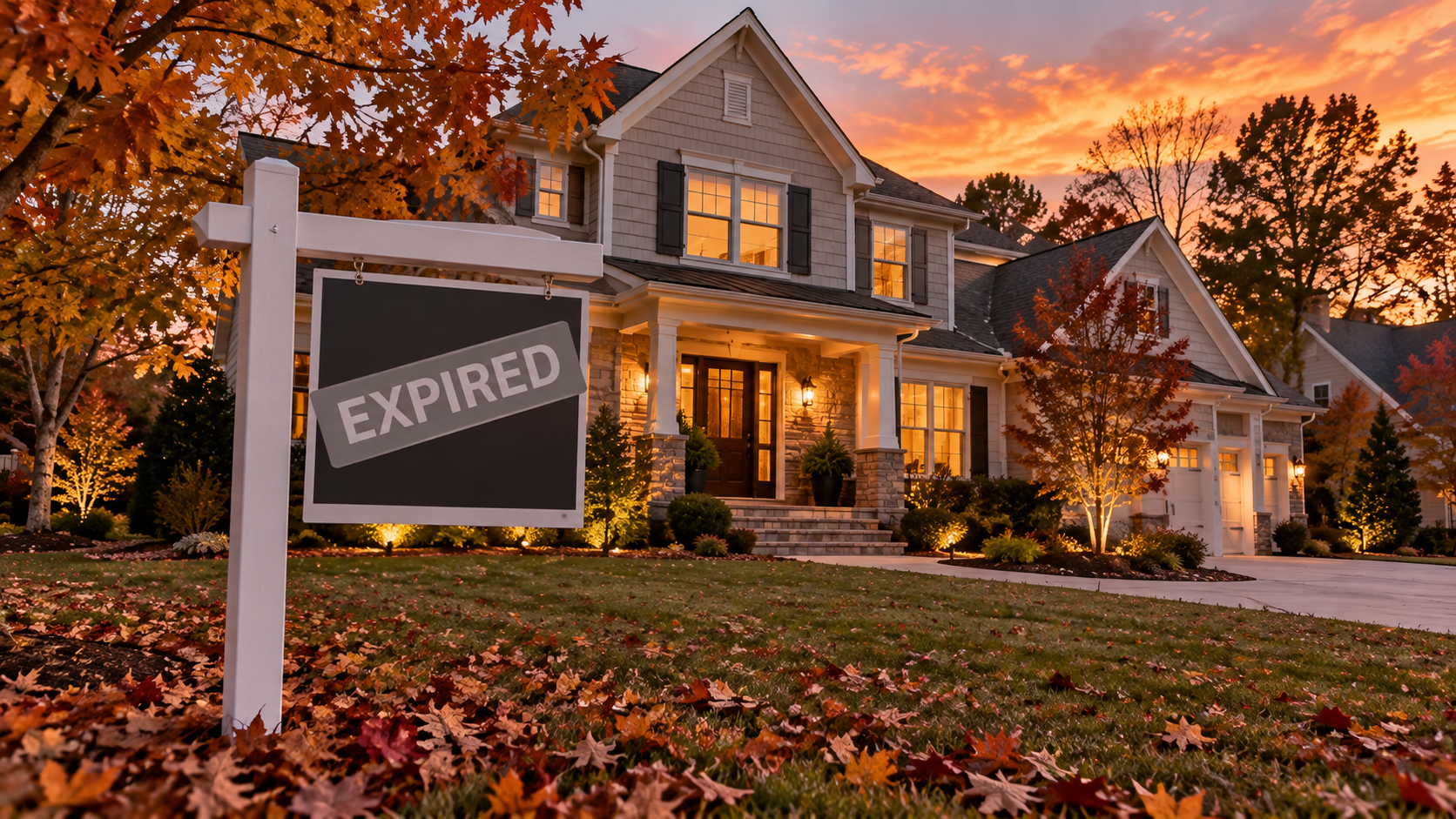
When that expiration date arrives without a closing:
- Your home is removed from the MLS
- Your agent’s authority to market your property or accept offers on your behalf ends
- You are no longer obligated to pay that agent a commission on future sales (with one important exception noted below)
- The home is listed as “expired” in MLS records, which is visible to all agents pulling history
You’re not in trouble. You’re simply at the end of one contract and the beginning of a new decision.
The Protected Buyers List: What Sellers Often Miss
Here’s the piece most sellers don’t know about until it’s too late.
NC Form 101 includes a protection clause. This clause says that if a buyer who your agent introduced to the property during the listing period goes on to purchase the home within the protection period (typically 90 to 180 days after expiration), you may still owe that agent a commission.
But there’s a catch that works in your favor. For most listing agreements, the protection clause is only enforceable if the agent delivers a written list of protected buyers within a specified window after expiration, typically 3 to 10 days. If your agent doesn’t deliver that list on time, the clause may be unenforceable.
This matters if you’re planning to sell to someone who toured the home during the listing period, or if you’re considering going off-market after expiration. Before you take any steps, make sure you’ve received the protected buyers list and understand exactly who is on it and for how long.
If you have questions about what you owe and to whom after your listing expires, this is worth a brief conversation with a North Carolina real estate attorney.
The DOM Problem and Why It Matters
Days on market may reset when the home is removed from the market, depending on the timeline and situation. However, its cumulative history stays in the MLS, and savvy buyers and their agents can see it.
A home that’s been on the market for 90 days and then relists with a new price is still seen as “the house that didn’t sell.” That perception drives buyers to offer less, ask more questions, and use the DOM as negotiating leverage.
There are a few ways to address this:
Wait for the right window. If you can afford to take the home off the market for 30-60 days before relisting, some markets see a partial “freshness reset” as the property moves out of buyer’s short-term memory. It won’t erase the history, but it changes the conversation.
Make visible changes before relisting. A new price alone doesn’t change perception. Fresh staging, a pre-listing inspection with disclosed repairs, updated photography, and a clearly different marketing approach all signal to the market that something meaningful has changed.
Don’t just reduce the price. Price is the most common lever sellers pull after expiration, and often it’s the right one. But if your home was correctly priced and the problem was marketing reach, condition, or presentation, reducing price without addressing the root cause just means you lose money and still don’t sell.
Why Did It Expire? The Real Questions to Ask
Before you do anything else, you need an honest answer to what went wrong. The most common culprits are:
Overpricing. In Raleigh’s current market, overpriced homes are getting punished hard. With median days on market around 39-65 days and a softening from the 2021-22 peak, buyers have options and are not overpaying.
Marketing. Photos, MLS description, and digital exposure vary dramatically between agents and brokerages. If your home didn’t get professional photography, targeted digital advertising, or proper MLS syndication, the listing may have been invisible to the right buyers.
Condition or presentation. Buyers in the current Triangle market have less urgency than they did two years ago, which means they’re pickier about condition.
Timing. Sometimes a home hits the market at an awkward seasonal window. Timing alone rarely kills a listing, but it can compound other issues.
The answer shapes everything about your next step. For more on diagnosing a stale listing while you’re still active, see my guide on why your home isn’t selling in Raleigh NC.
Your Options After Expiration
You have more choices than you might think.
Relist with the same agent. If your relationship is intact and you believe the strategy was sound, a new listing agreement gives both of you a fresh start. Consider renegotiating terms: new price, new marketing approach, perhaps a shorter listing period.
Hire a new agent. About 44% of sellers who relist after expiration do so within 30-35 days, and the majority switch agents. A new agent brings fresh eyes, a different network, and often a different marketing platform. If you didn’t feel your first agent was communicating clearly or bringing the right strategy, expiration is your natural exit.
If you’re evaluating listing agents for a relisting, I put together a detailed breakdown of what to look for when choosing a listing agent in Raleigh.
Make meaningful changes before relisting. This is often the right answer regardless of who you list with. If price, condition, or marketing were the issue, spending two to four weeks addressing those before going back on the market gives your relisting the best possible chance.
Pause entirely. Sometimes the market timing is genuinely bad, or your life circumstances have shifted. Taking the home off the market, reassessing in 30-60 days, and coming back when you’re genuinely ready is a legitimate strategy.
What to Change Before You Relist
A relisting with nothing visibly different is a hard sell. Here’s the minimum worth considering:
- Reprice based on current comps, not original list price. Pull the last 90 days of sold data in your immediate neighborhood. For a deeper look at pricing strategy, see my post on how to price your home to sell in Raleigh NC.
- Update the photography. New photos signal a genuine fresh start.
- Address any feedback patterns. If multiple buyers gave similar feedback, that’s data.
- Consider fresh staging. Decluttering, depersonalizing, and styling a few key rooms can measurably improve how your home photographs and shows.
A Note on the NC Form 101 and What It Covers
Before signing any new listing agreement, review the terms carefully. NC Form 101 governs your relationship with your agent, including commission structure, duration, the protected buyers list provision, and what happens if the contract is cancelled early. You can learn more about what you’re actually signing in my detailed guide on the NC listing agreement: what sellers need to know before signing.
For more on what expires after your contract ends versus what you can control, HomeLight’s breakdown of what happens when a real estate listing agreement expires is a useful reference. The Redfin guide to expired real estate listings also walks through how buyers see expired homes in search and why relisting strategy matters. And the REDX expired listing data for 2026 provides current context on how widespread expiration has become in today’s market.
Frequently Asked Questions
Does my listing expire if it goes under contract but the buyer backs out?
No. If your home goes under contract during the listing period, the listing agreement typically remains active (or pauses and resumes depending on your agreement’s terms) until the contract closes or terminates. If the buyer terminates during the due diligence period or after, the listing status reverts to active or withdrawn. Expiration refers specifically to the listing contract’s end date arriving without a closed sale.
Can I sell to a buyer on the protected list without paying commission?
Generally, no. If your agent delivered the protected buyers list within the required timeframe after expiration, and a buyer from that list closes on your home within the protection period, you likely owe the commission. The protection clause in NC Form 101 is designed to compensate the agent for the buyer they found. If the list was not delivered on time, however, the clause may be unenforceable. An NC real estate attorney can advise you on your specific situation.
How long does the protection period last after expiration?
The protection period is negotiated as part of the original listing agreement. In North Carolina, protection periods typically run 90 to 180 days after the listing expires, though this can vary. Check Section 8 of your NC Form 101 for the exact period you agreed to.
Should I wait before relisting, or go back on the market right away?
Data suggests that 44% of sellers who relist do so within 30-35 days. Speed matters if the problem was primarily marketing or pricing, and you’ve already addressed it. But relisting immediately after expiration without making any changes often results in the same outcome. Give the market a genuine reason to look at your home differently before you relaunch.
What if I just want to sell off-market after my listing expires?
You can sell off-market after expiration. However, you need to be aware of the protected buyers list before doing so. If a buyer who your previous agent showed the home to purchases it privately during the protection period, your agent may still be owed a commission. If you’re planning to sell directly to a neighbor, family member, or someone who never came through the home during your listing, that’s a different situation. Always verify the terms of your expiring agreement before making a deal outside the MLS.
An expired listing isn’t the end. It’s information. The market told you something specific, and your job now is to figure out what that was and respond to it strategically before you relist.
If you’re weighing your next move after an expiration and want an honest second opinion on your pricing, marketing, and timing, I offer confidential consultations to sellers in exactly this situation. We’ll go through what happened, what the market is actually saying, and what a smarter relaunch looks like. Email me at brandon@theoceanairerealty.com or call or text 910-228-6481 to set up a time.
About Brandon Yopp
Brandon Yopp is a top-producing REALTOR® with The Oceanaire Realty, serving sellers and buyers across Raleigh, Durham, Chapel Hill, Cary, Apex, and the surrounding Triangle communities in North Carolina. A Triangle resident for more than 20 years, Brandon is known for deep local market knowledge, strategic pricing, expert negotiation, and a marketing approach built to give sellers maximum exposure across the platforms today’s buyers actually use. He’s a multi-year Triangle Real Producers Top 500 honoree and a Certified Luxury Home Marketing Specialist™, guiding first-time buyers, upsizers, downsizers, relocating clients, and investors through the Triangle market with confidence. Over 90% of his business comes from repeat clients and referrals.