What to Expect at the Closing Table as a Buyer in Raleigh, NC: A 2026 Guide
After weeks of searching, making offers, surviving the due diligence period, and getting through the appraisal, closing day is finally here. And for most buyers, there’s a mix of excitement and genuine uncertainty: what actually happens at the attorney’s office, what do you need to bring, and when do you officially become a homeowner?
In North Carolina, closing works differently than in most other states. Understanding what to expect means you’re not walking in cold on one of the biggest financial days of your life.
Why Closing in NC Is Different
North Carolina is an attorney-closing state. Unlike roughly 30 states where title companies handle the settlement, NC law requires a licensed real estate attorney to conduct the closing, conduct the title search, prepare the deed, and disburse funds.
Your closing attorney represents you, but at the same time they have a fiduciary and professional obligation to handle the transaction correctly for all parties.
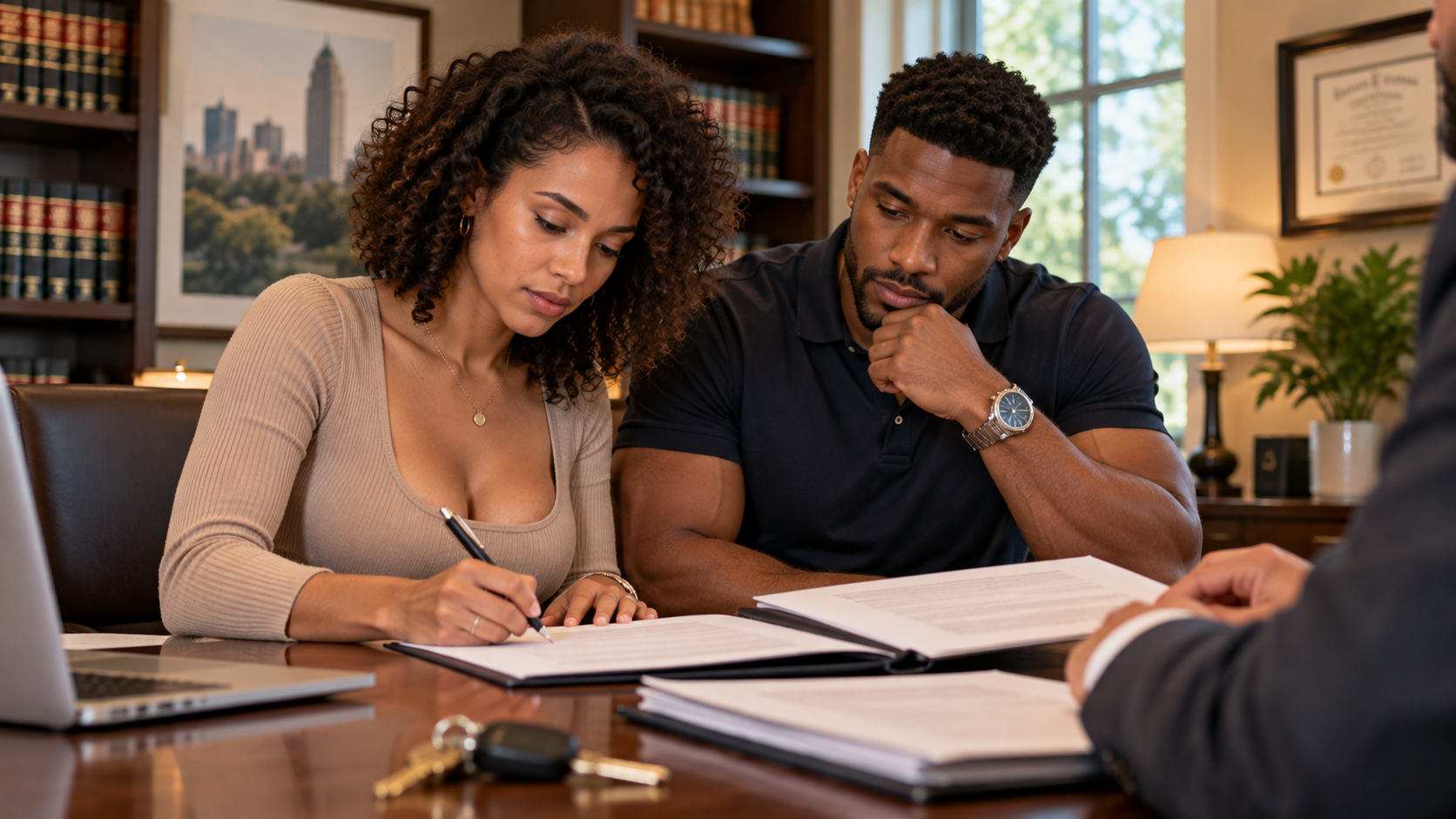
The attorney’s office is where you’ll sign. It’s typically a conference room setting. I prefer the actual attorney to facilitate the closing, but occasionally some closings are handled by a paralegal with the attorney available nearby for questions.
It is important to note that sellers and buyers usually do not attend signing at the same time. In fact, I specifically request my preferred closing attorney to not allow that. Although most transactions are relatively smooth, nerves can get frayed and tempers can flare during tough negotiations. There’s no point in putting all parties together at the same table at the final moment. On top of that, I want to limit my client’s information being made available to the other party in the transaction. This is a good way to avoid all of that.
What to Bring to Closing
Before you sit down at that table, confirm these four things:
Government-issued photo ID. You’ll need this to verify your identity when signing notarized documents. A driver’s license or passport works. Bring ID for every person whose name is on the loan.
Certified funds or wire confirmation. Under the NC Good Funds Settlement Act (NC General Statutes Chapter 45A), the closing attorney cannot disburse any funds, including your keys, until the attorney has confirmed receipt of “good funds.” A wire transfer is fastest and most reliable. A cashier’s check drawn on a local NC bank is also typically accepted; a personal check is generally not. If you’re wiring, do it at least 24-48 hours in advance and call the attorney’s office to confirm receipt before your appointment.
Your checkbook, just in case. Occasionally there are small last-minute adjustments to the final numbers.
Your Closing Disclosure. Federal law requires your lender to send this to you at least 3 business days before signing. Review it in advance so you understand every line before you sign. Bring it to compare against the final settlement statement.
What You’ll Actually Sign
A typical buyer’s closing package runs 100-150 pages. Your attorney or paralegal will walk you through each document before you sign. The signing typically takes 60-90 minutes if you’re asking questions (which you should).
The key documents:
Closing Disclosure (CD). A page-by-page accounting of every cost, credit, and proration in the transaction. Review this carefully. It should match the Loan Estimate your lender provided.
Promissory Note. Your promise to repay the loan. This document spells out your loan amount, interest rate, monthly payment, and the consequences of default.
Deed of Trust. The document that pledges your property as collateral for the loan. This gets recorded in the county Register of Deeds along with the deed itself.
The Deed. The document that transfers legal ownership of the property to you. Prepared by the closing attorney.
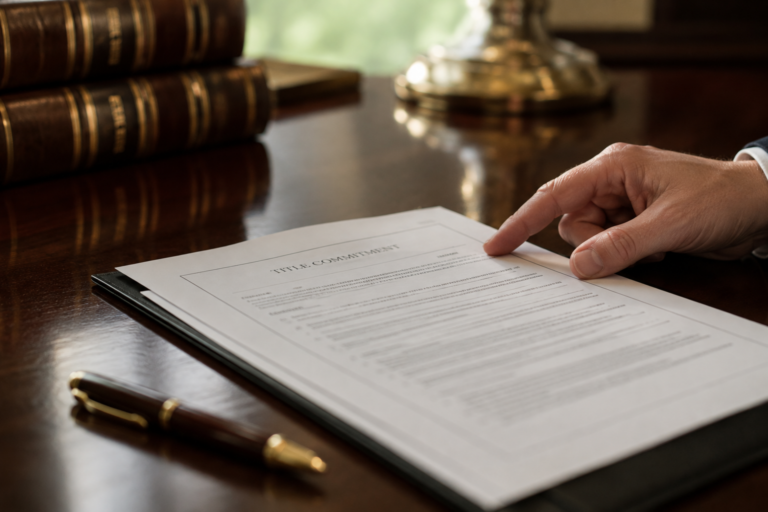
Owner’s Title Insurance Policy. If you purchased an owner’s title insurance policy, you’ll receive documentation at closing. In NC, owner’s title insurance is optional but strongly recommended; lender’s title insurance is required. For more on the cost and what it covers, see my guide on title insurance for buyers in Raleigh NC.
The Good Funds Rule and What It Means for Your Keys
Here’s the piece that confuses first-time buyers most: you can sign everything, and still not get keys right away.
Under the NC Good Funds Settlement Act, the closing attorney cannot disburse any proceeds, including keys, until the deed is recorded with the county Register of Deeds. This is NC’s way of ensuring the property is legally yours before money changes hands.
The sequence:
- You wire funds before closing (or bring a cashier’s check)
- Your lender wires the loan proceeds, usually the morning of closing
- You sign all documents at the attorney’s office
- The attorney submits the deed and deed of trust to the county Register of Deeds for recording
- Recording is confirmed (typically mid to late afternoon)
- Attorney disburses funds and contacts your agent to coordinate key delivery
In Wake County, recording typically happens the same day as signing as long as signing is completed before approximately 4 PM. This is why it’s worth scheduling your closing for the morning if possible, and why you shouldn’t plan your moving truck for early afternoon.
For a deeper look at the full timeline from accepted offer to closing, see my guide on how long it takes to close on a home in Raleigh NC.
Your Closing Costs: What You’re Paying at the Table
The amount you wire or bring includes your down payment plus closing costs. For a refresher on what goes into those costs, see my detailed guide on buyer closing costs in the Triangle.
As a buyer in Raleigh, you’re typically paying for:
- Down payment
- Lender origination and underwriting fees
- Lender-required title insurance
- Owner’s title insurance (optional but recommended)
- Attorney closing fee
- Prepaid interest (from closing date to end of month)
- Homeowner’s insurance premium (first year, paid at or before closing)
- Property taxes prorated to closing date
- HOA dues prorated if applicable
Your Closing Disclosure will show you the exact number. Wire that amount, plus a small buffer to cover any last-minute adjustments.
After You Sign: What Happens Next
Once signing is complete:
- The attorney’s team submits the deed package to the county Register of Deeds
- Recording is confirmed (you’ll often get a call or text from your agent)
- The attorney disburses funds to all parties
- Your agent coordinates with the listing agent for key delivery
- You own a home
A good habit: do your final walkthrough the morning of closing, before you sign. Once you’re at the table, the transaction is essentially done.
What If Something Goes Wrong at Closing?
Most closings go smoothly. But here are the most common last-minute issues:
Your wire is delayed or hasn’t cleared. Call your bank immediately. Wire early, and confirm receipt with the attorney’s office before your appointment.
A document number is different than expected. Alert the attorney and your lender immediately. Do not sign if numbers are materially different from your Closing Disclosure without getting a clear explanation.
A title issue surfaces. Occasionally the title search reveals a lien or cloud on the title. Your purchase contract specifies how these situations are handled.
For background on what the full process looks like from contract through closing, including how NC’s due diligence period and earnest money work, see my guide on what happens after your offer is accepted in NC. And for an independent overview of the NC closing process, Tryon Title’s breakdown of NC closing day and the Pierce Law Group’s NC closing Q&A series are both solid references. For a detailed explanation of the Good Funds Settlement Act specifically, Shelby Law’s closing overview covers the settlement-vs.-recording distinction clearly.
Frequently Asked Questions
How early before closing should I wire my funds?
Wire your funds at least 24-48 hours before your closing appointment. Wires can take several hours to clear depending on your bank, and some banks have daily cutoff times. Call the attorney’s office to confirm receipt before your appointment. Cutting it too close risks delaying your closing.
Who attends the closing in North Carolina?
Typically: you (and any co-borrowers), your buyer’s agent, and a closing paralegal or attorney. The seller usually closes at a separate time or a separate attorney’s office, so you may not see the sellers at all. Your lender typically does not attend in person.
What happens if recording doesn’t happen the same day?
If recording is delayed to the next business day, you won’t get keys until recording is confirmed. This can happen if closing is late in the day, if there’s a county recorder backlog, or if a last-minute issue arises. Your agent will stay in contact with the attorney’s office to monitor the recording status.
Can I do a remote or mail-away closing as a buyer in NC?
Yes, to a degree. North Carolina allows Remote Online Notarization (RON), meaning you can sign documents electronically with a notary via video call if your lender and the closing attorney both support it. Not all lenders and attorneys offer this option. If you’re a remote buyer who can’t attend in person, discuss this with your lender and your agent early in the process.
What’s the difference between settlement and closing in NC?
In North Carolina, “settlement” refers to the signing appointment at the attorney’s office, and “closing” refers to the moment the deed is recorded and ownership officially transfers. You can complete settlement (signing) and still not be “closed” until the county confirms recording. This is why the NC Good Funds Settlement Act exists: it ties disbursement to recording, not just signing.
Closing day in Raleigh is a process, not just a moment. When you understand how it works, you can walk into that attorney’s office confident, focused, and ready to get your keys.
If you’re getting close to closing and want to talk through what to expect or how to prepare for a specific situation in your transaction, reach out anytime. Email me at brandon@theoceanairerealty.com or call or text 910-228-6481 and we’ll walk through it together.
About Brandon Yopp
Brandon Yopp is a top-producing REALTOR® with The Oceanaire Realty, serving sellers and buyers across Raleigh, Durham, Chapel Hill, Cary, Apex, and the surrounding Triangle communities in North Carolina. A Triangle resident for more than 20 years, Brandon is known for deep local market knowledge, strategic pricing, expert negotiation, and a marketing approach built to give sellers maximum exposure across the platforms today’s buyers actually use. He’s a multi-year Triangle Real Producers Top 500 honoree and a Certified Luxury Home Marketing Specialist™, guiding first-time buyers, upsizers, downsizers, relocating clients, and investors through the Triangle market with confidence. Over 90% of his business comes from repeat clients and referrals.