Selling a Home with Unpermitted Work in Raleigh, NC: What to Disclose and What to Do Before You List
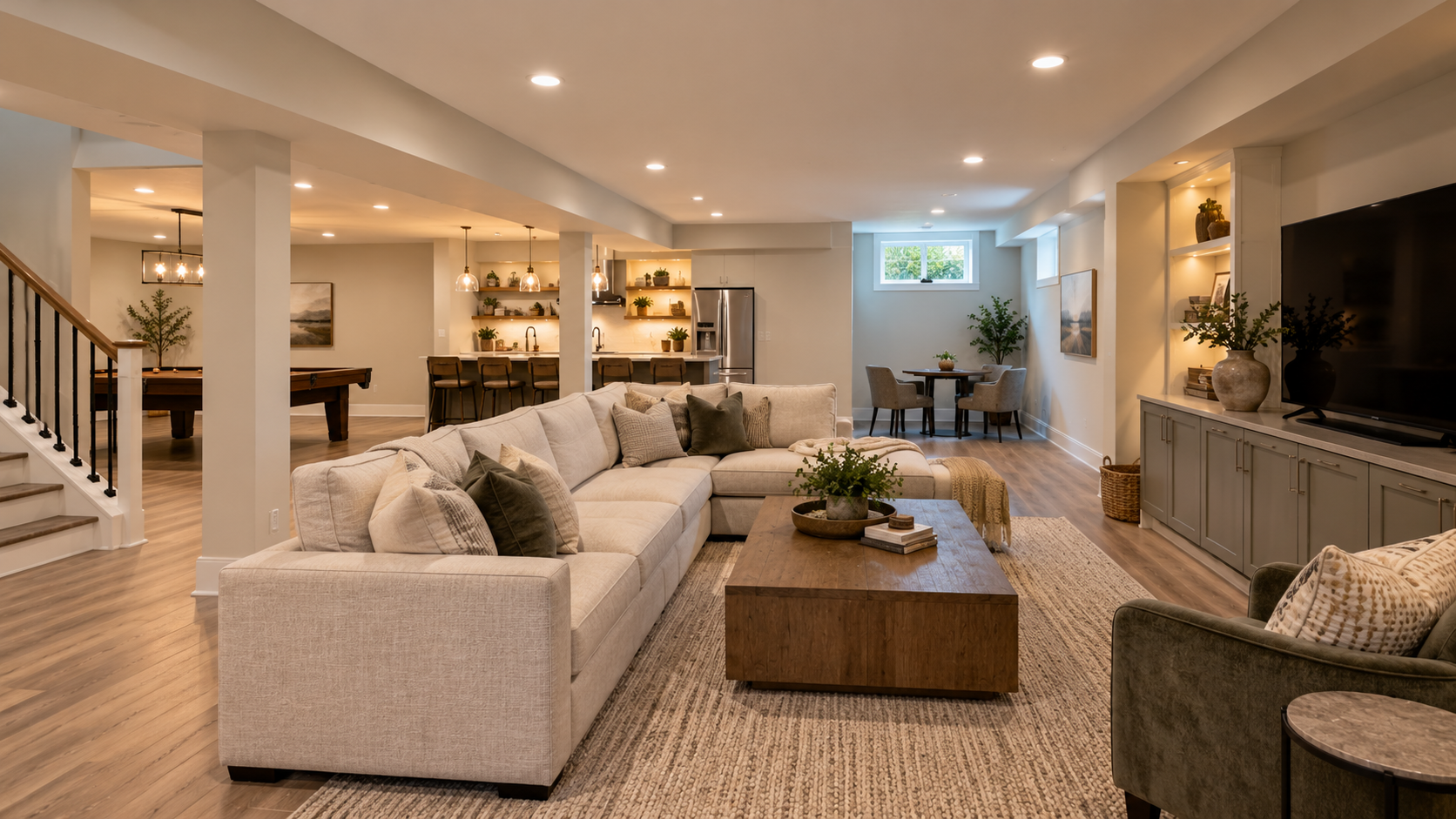
The finished basement the previous owners added in 2012. The deck expansion a contractor built last spring. The converted garage that’s now a guest suite. These are the kinds of improvements that frequently get done without pulling the required permits, and they’re exactly what home buyers and their inspectors are looking for.
In Raleigh and the greater Triangle market right now, with buyers doing more thorough due diligence than they did in the 2021-2022 frenzy, unpermitted work is getting caught more often. The question isn’t whether it will come up. The question is whether you’ve addressed it proactively.
Here’s what you need to know as a Triangle seller.
What NC Law Requires You to Disclose
North Carolina uses the NC Residential Property and Owner’s Association Disclosure Statement (RPOADS) for seller disclosure. Question 3 on the RPOADS specifically asks whether the seller is aware of any violations of building codes, zoning ordinances, or other governmental regulations affecting the property.
The legal standard is “to the best of seller’s knowledge.” If you know about unpermitted work, you must disclose it. If you genuinely don’t know, you can answer “No representation” for that question, which protects you from liability if the issue later surfaces.
But here’s where sellers get into trouble: a lot of people who say “I didn’t know” actually did know, or should have known. If you bought the home and the unpermitted addition was listed in your purchase disclosure, you know. If the contractor who built your deck told you the work was “no big deal, we don’t need a permit,” you still know the work was done without one. Courts in NC have sided with buyers in post-closing disputes where sellers claimed ignorance despite having obvious indicators.
The safest position is this: if you have any reason to believe work was done without proper permits, disclose it. The RPOADS is not a gotcha document. It’s a legal disclosure that protects both parties when used honestly.
How Buyers Find Unpermitted Work in the Triangle
Most buyers’ agents advise their clients to pull a permit history search during due diligence. In Wake County, permit records are publicly available through the Wake County Permit Portal. Durham County and Orange County have similar public lookup tools. A buyer or their inspector can pull a complete record of permits pulled for your address in about ten minutes.
What they’re looking for: any permitted work has a corresponding permit record. If your home has a finished basement, a deck, an addition, or an accessory structure, and no permit exists for that work, the absence is visible.
Professional home inspectors also flag unpermitted work directly. Common indicators they look for include work that doesn’t meet current code, wiring or plumbing that doesn’t match the original construction style, or areas that lack proper egress, ventilation, or structural support. An inspector with Triangle market experience knows what finished basement bedrooms look like without egress windows, and they note it.
Your Options Before You List
Once you know you have unpermitted work, you have four realistic paths:
Option 1: Retroactive permit (recommended when feasible)
In many cases, you can go back to the local building department and pull a permit for work that’s already done. The inspector will visit, verify the work meets current code (or note what needs to be corrected), and issue the permit. Once the permit is issued and closed, the work is documented and legal.
This is the cleanest solution. It removes the unpermitted designation, eliminates the disclosure requirement (since the work is now permitted), and lets you list without a cloud over the improvement. The cost is relatively low for simple work, maybe $200-$600 in fees plus any corrections the inspector requires.
The catch: if the work doesn’t meet current code and would require significant reconstruction to pass inspection, a retroactive permit may not be worth pursuing. For example, a basement that was finished without an egress window in a bedroom may require cutting through concrete or a foundation wall to achieve compliance, which could cost more than the value it adds.
Option 2: Disclose and price accordingly
If pulling a permit isn’t practical, the next path is transparent disclosure and pricing. On the RPOADS, you indicate the known permit issue. In your listing, you either disclose it proactively or present the home as-is for that component. Buyers then factor the risk into their offer, which may mean a lower price or specific due diligence contingency language around the work.
Selling a home as-is in Raleigh doesn’t mean the buyer can’t inspect. It means you’re not committing to make repairs. The buyer still has their due diligence period to investigate and decide. Price it appropriately, disclose honestly, and you’re in compliance with NC law.
Option 3: Have the work evaluated and remediated before listing
For higher-value improvements that would significantly affect appraisal or buyer perception, it may be worth getting a contractor and inspector involved before listing. They can tell you exactly what corrections are needed to bring the work to code, you make those corrections, pull the retroactive permit, and list clean.
This approach requires time and money upfront, but it can meaningfully affect your list price and the pool of buyers who will make offers. Financed buyers’ lenders sometimes decline to fund when significant unpermitted work is discovered during appraisal, which can kill deals even when the buyer is willing to proceed.
Option 4: Disclose proactively to your listing agent and let the market respond
In some cases, particularly for minor work (a small deck, a storage shed, a single outlet added without a permit), the pragmatic approach is full disclosure up front. A clear disclosure early creates trust. Hiding it and having the buyer discover it during due diligence creates friction and gives the buyer ammunition to renegotiate or walk away.
What Happens During Due Diligence if Unpermitted Work Is Found
If a buyer discovers unpermitted work during the due diligence period that you didn’t disclose, you’re facing one of two outcomes: the buyer terminates and gets their earnest money back (they lose the due diligence fee, but that’s relatively small compared to the damage to your deal), or the buyer comes back asking for a significant price reduction or repair credit.
Neither is a good position when it could have been handled before listing. The inspection repair negotiation process in NC is already stressful enough without a significant structural disclosure becoming a negotiating grenade midway through due diligence.
If the work was disclosed and the buyer knew going in, you’ve already accounted for it in pricing. You’re in a much stronger negotiating position because there’s nothing to surprise them with.
The Market Context for Fall 2026
With more inventory in the Triangle market and buyers doing more careful due diligence than during the frenzy years, undisclosed issues are coming to light more frequently and derailing deals that would have sailed through in 2021. This isn’t the time to assume buyers won’t look or that the issue isn’t a big deal.
It’s also worth noting that if unpermitted work affects your home’s livable square footage (a finished basement that’s not permitted needs to be expressly noted and explained on the MLS listing information), your effective list price may already be lower than you think. Understanding how square footage is measured and reported in North Carolina is part of the pre-listing conversation we should have before you decide on a list price.
Before we list, we review your home’s permit history together and identify any issues that need to be addressed. That conversation happens early, not during due diligence.
Frequently Asked Questions
What happens if I don’t disclose unpermitted work when selling my NC home?
If you knowingly fail to disclose unpermitted work on the NC RPOADS and the buyer discovers it post-closing, you face potential legal liability for misrepresentation or fraud. North Carolina courts have sided with buyers in cases where sellers had knowledge of permit violations and chose not to disclose. The financial exposure from a post-closing lawsuit typically far exceeds the cost of addressing the issue before listing. If you’re uncertain whether you have an obligation to disclose something, talk to your real estate attorney before you list, not after.
Can a buyer back out because of unpermitted work in NC?
Yes. During the due diligence period in North Carolina, a buyer can terminate for any reason and receive their earnest money back (they forfeit the nonrefundable due diligence fee). Unpermitted work discovered during due diligence is one of the most common reasons buyers exercise this right. If the work wasn’t disclosed, the buyer may also have post-closing legal remedies even if they chose to close rather than terminate. Proactive disclosure before listing removes this leverage and gives buyers the information they need to make an informed offer.
How do I find out if work on my home is permitted?
In Wake County, search the public permit history at the Wake County Permit Portal. Durham County and Orange County have similar public portals. You can also call your local building inspections office with your property address and ask for a permit history. Your listing agent can help you pull this before listing. If you find gaps between work that was done and permits that were pulled, that’s the issue to address.
Can I get a retroactive permit for work that was already done?
In most cases, yes. The process is called a “permit for existing work” and is available through the local building inspections department. You submit the permit application, pay the fees, and the inspector visits to verify the work meets current code. If it does, the permit is issued. If there are code deficiencies, the inspector will note what corrections are required before the permit can close. The viability depends on the complexity of the work and what changes would be required to bring it to code.
Does unpermitted work affect my home’s appraisal?
It can, significantly. Unpermitted finished space needs to be completely disclosed during the listing and marketing of a property. If a buyer’s lender orders an appraisal and the appraiser identifies unpermitted finished space, they may exclude that area from their square footage calculation, which reduces the appraised value. This can cause an appraisal gap that puts the deal at risk. Resolving permit issues before listing avoids this problem entirely.
If you’re preparing to sell and have questions about work on your home that may or may not be permitted, let’s have that conversation before you list. I walk every client through a pre-listing review that includes permit history, disclosure obligations, and a realistic picture of how buyers and their inspectors will see your home.
Email me at brandon@theoceanairerealty.com or call or text 910-228-6481 and let’s set up a confidential pre-listing consultation.
About Brandon Yopp
Brandon Yopp is a top-producing REALTOR® with The Oceanaire Realty, serving sellers and buyers across Raleigh, Durham, Chapel Hill, Cary, Apex, and the surrounding Triangle communities in North Carolina. A Triangle resident for more than 20 years, Brandon is known for deep local market knowledge, strategic pricing, expert negotiation, and a marketing approach built to give sellers maximum exposure across the platforms today’s buyers actually use. He’s a multi-year Triangle Real Producers Top 500 honoree and a Certified Luxury Home Marketing Specialist™, guiding first-time buyers, upsizers, downsizers, relocating clients, and investors through the Triangle market with confidence. Over 90% of his business comes from repeat clients and referrals.