Should I Do a Pre-Listing Inspection Before Selling My Raleigh, NC Home in 2026?
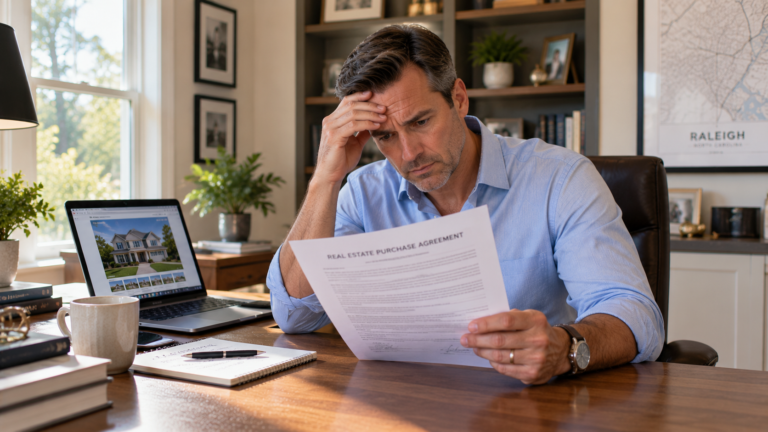
Here’s what most Triangle sellers don’t know going into their first sale: the buyer’s due diligence period in North Carolina is designed to give buyers a structured window to discover problems, assess risk, and either negotiate or walk away. If you haven’t looked at your home through an inspector’s eyes before you list, you’re essentially handing the buyer a surprise to use against you.
That surprise might be minor. Or it might be a $12,000 HVAC replacement or a crawl space drainage issue that derails your closing. The seller who did a pre-listing inspection knew about it, fixed it, or priced for it. The seller who didn’t is now receiving a repair request or termination notice.
Here’s how to think about the pre-listing inspection decision.
What a Pre-Listing Inspection Covers
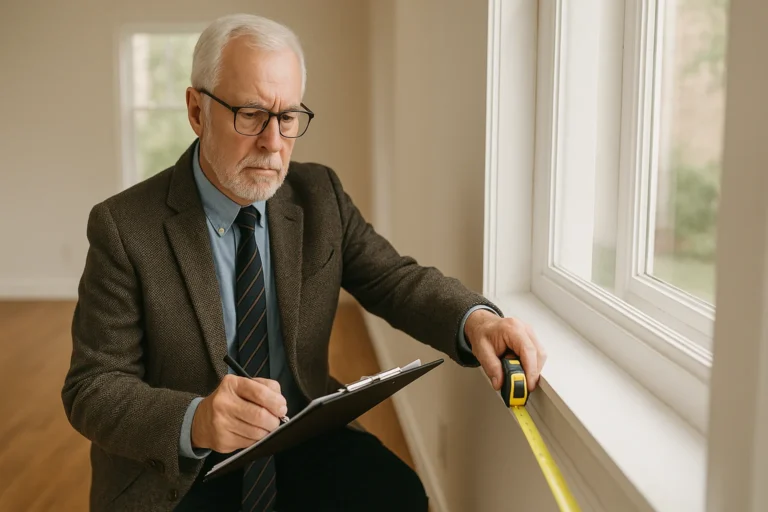
A pre-listing inspection is the same as a standard buyer’s home inspection, conducted by a licensed NC home inspector before you list. Look for inspectors certified through the American Society of Home Inspectors (ASHI) or InterNACHI — both maintain professional standards and continuing education requirements. The inspection covers:
- Roof, gutters, and attic
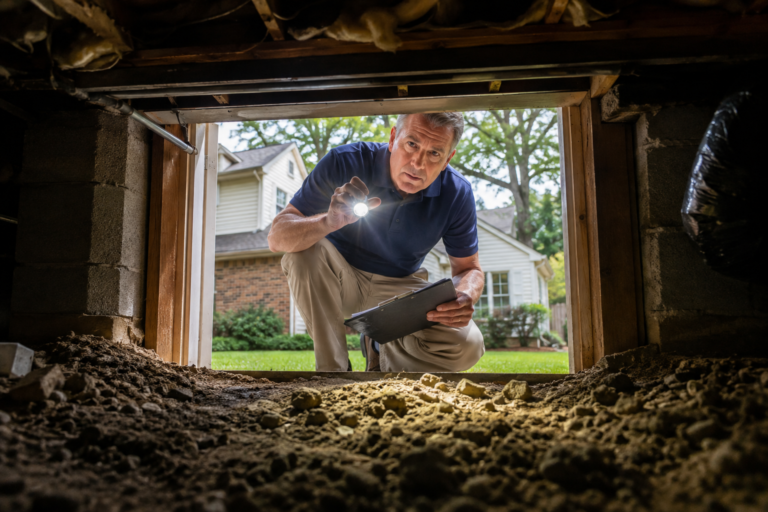
- Foundation, crawl space or basement (moisture, structural)
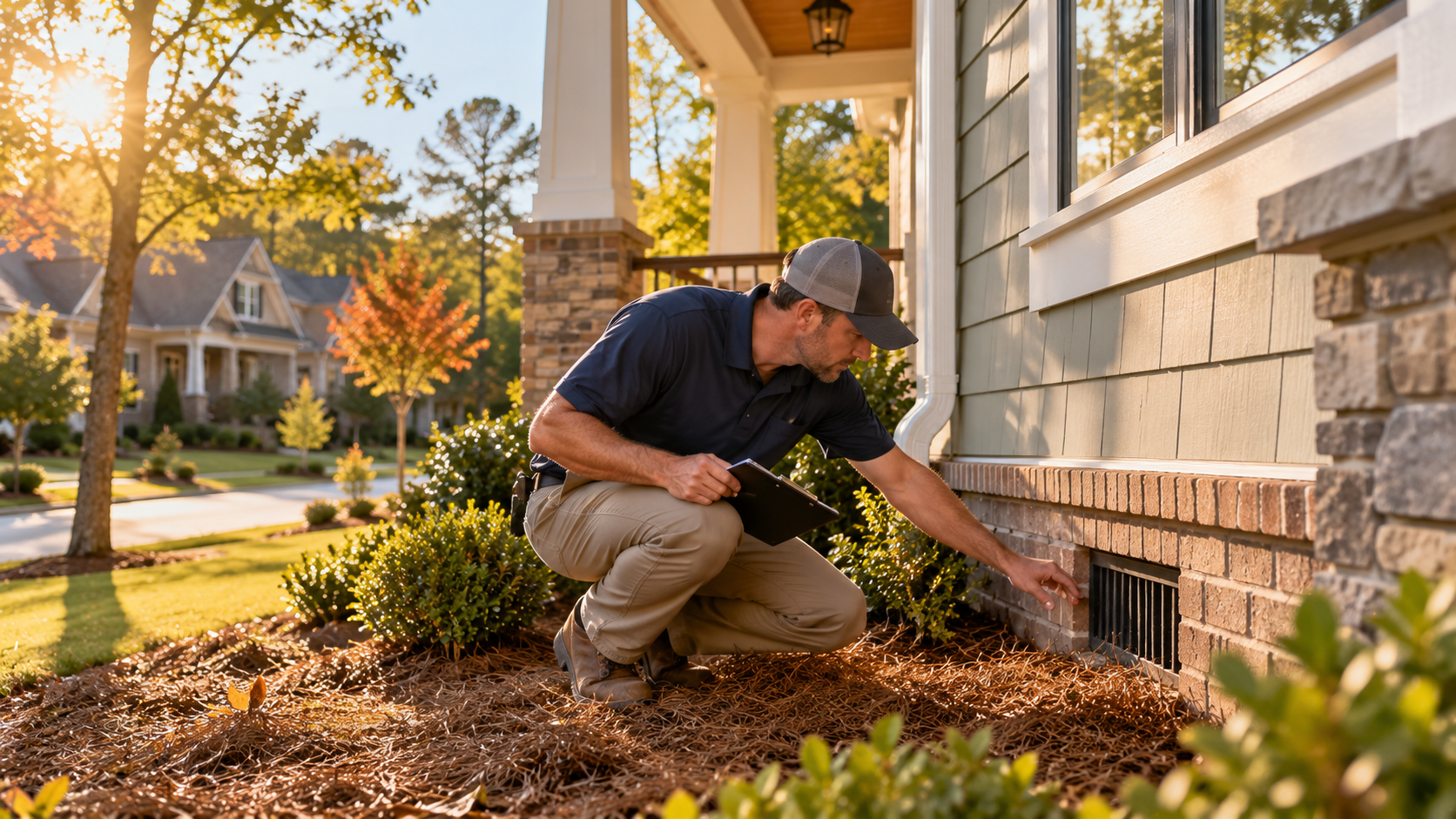
- Exterior (siding, grading, drainage)
- HVAC systems (age, function, filter condition)
- Plumbing (water heater age, visible pipes, pressure)
- Electrical (panel type, GFCI compliance, visible wiring)
- Interior (ceilings, walls, floors, windows, doors)
- Insulation and ventilation
The inspector produces a written report with findings ranging from routine maintenance to significant defects. This is the same report format a buyer’s inspector would produce — which is exactly the point. You see what they’ll see before they do.
The NC Disclosure Nuance You Must Understand
Here’s the most important thing I can tell you about pre-listing inspections in North Carolina: once you get one, you know things. And once you know things, the NC Residential Property and Owner’s Association Disclosure Statement (RPOADS) requires you to disclose them.
The legal standard on the RPOADS is “to the best of seller’s knowledge.” Before your pre-listing inspection, you might genuinely not know your crawl space has moisture intrusion or your electrical panel has aging aluminum wiring. After the inspection, you know. You can no longer answer “No representation” on those questions.
This isn’t a reason to skip the pre-listing inspection — it’s a reason to approach it strategically. The disclosure obligation exists whether or not you get an inspection. If a buyer’s inspector finds something during due diligence that a reasonable seller should have known about, you have exposure anyway. Getting a pre-listing inspection and then handling issues transparently is almost always the stronger legal and negotiating position.
What to Do With the Findings
Once you have your pre-listing inspection report, you have three options for every finding:
Fix it before listing. For items that are legitimately broken — a non-functional HVAC zone, a leaking water heater, a roof with active damage — fixing before you list is usually the right call. You remove the issue from the buyer’s negotiating arsenal, and your listing can be presented in clean condition. Get licensed contractors to do the work and keep the receipts. A guide to which repairs are worth making before listing can help you prioritize. Buyers find documented professional repairs reassuring.
Disclose it and price accordingly. Some items aren’t worth fixing — an aging but functional HVAC, a crawl space with manageable moisture, a cosmetically tired deck. You disclose the condition honestly on the RPOADS, and your pricing reflects it. Buyers who know what they’re getting make more confident offers. Buyers who discover issues in due diligence they didn’t expect are more likely to walk. If major issues come back and the cost to fix them is prohibitive, selling the home as-is is also a legitimate path worth understanding.
Present the inspection report to buyers. Some sellers choose to share the pre-listing inspection report directly with prospective buyers, either uploaded to the MLS as a document or available upon request. This signals confidence, reduces buyer uncertainty, and can accelerate the due diligence conversation. It won’t prevent buyers from doing their own inspection — and they should — but it creates a baseline of shared information that de-escalates the typical “inspection surprise” dynamic. If you want to understand how buyers’ agents coach their clients through the inspection repair request process, the NC inspection repair request seller guide covers what sellers should expect when repair requests land in their inbox.
When a Pre-Listing Inspection Is Especially Worth It
The investment makes most sense in these situations:
Your home is older. Homes in Raleigh’s inside-the-beltline neighborhoods, Cary, Apex, or established Durham areas that were built in the 1970s, 1980s, or 1990s have systems with age. An older electrical panel (Federal Pacific Stab-Lok or Zinsco panels are common in these neighborhoods and are significant findings), original plumbing, or an aging HVAC are all things a buyer’s inspector will note prominently. Knowing about these before you list lets you address them or price for them proactively.
You haven’t lived in the home recently. Rental properties, inherited homes, or homes you’ve been away from often have deferred maintenance that accumulates quietly. A pre-listing inspection is essentially your catch-up call.
The market is more balanced. In fall 2026’s Triangle market, buyers are doing more thorough due diligence than they did in 2021-2022 when competition was so intense that some buyers waived inspections entirely. Today’s buyers inspect everything. The likelihood of something surfacing during due diligence is higher than it was three years ago.
You want a cleaner negotiation. When buyers discover issues for the first time during their inspection, they’re emotionally primed to ask for credits or repairs at the high end of what those issues might cost. When the issues were disclosed before the offer, buyers have already factored them into their offer price. The negotiation is cleaner.
Should You Also Do a Radon Test?
North Carolina sits in EPA Radon Zone 2 (moderate potential), and radon is one of the most commonly flagged items in Triangle home inspections. Radon is an odorless radioactive gas that enters homes through the foundation and is the second leading cause of lung cancer in the US.
EPA guidelines recommend testing your home for radon if you haven’t done so in the last two years. Many Triangle home inspectors offer radon testing as an add-on ($25-$75). A radon mitigation system, if needed, typically costs $800-$1,500 in the Triangle — a predictable, contractor-documented expense that’s far easier to handle before listing than as a due diligence surprise.
The Pre-Listing Inspection as a Marketing Asset
A clean or well-documented pre-listing inspection is genuinely useful marketing in today’s more cautious buyer environment. When I list a home where the seller has already done the inspection work, I can say something specific in the listing: “Pre-listing inspection completed; all major systems serviced and documented.” That language is meaningful to Triangle buyers who’ve lost deals when due diligence uncovered surprises.
It doesn’t eliminate the buyer’s right to inspect — and it shouldn’t — but it creates a different tone for the entire due diligence period. Instead of discovering, the buyer is confirming. That shift in dynamic tends to result in smoother closings.
For homes in the $500,000-$800,000+ range where buyers are particularly diligent and where the due diligence fee is meaningful, this is an especially strong play. The $400-$600 you spend on the pre-listing inspection can easily save you $5,000-$15,000 in after-inspection negotiations or prevent a termination entirely.
We talk through the pre-listing inspection question as part of the listing consultation for every home I take to market. For most sellers in today’s Triangle environment, it’s money well spent.
Frequently Asked Questions
Do sellers in NC have to get a pre-listing home inspection?
No. There is no legal requirement in North Carolina for sellers to obtain a pre-listing inspection. However, sellers are required to complete the NC Residential Property and Owner’s Association Disclosure Statement (RPOADS), disclosing known defects and conditions to the best of their knowledge. A pre-listing inspection makes that disclosure process more complete and reduces the risk of post-closing legal claims from buyers who discover undisclosed defects.
If I get a pre-listing inspection and find problems, do I have to disclose them?
Yes. Once you know about a defect or condition through any means, including a pre-listing inspection, North Carolina’s disclosure law requires you to disclose it on the RPOADS. The “to the best of seller’s knowledge” standard applies — meaning if you know about it, you can’t claim you don’t. This is why sellers sometimes worry about getting a pre-listing inspection. In practice, handling known issues proactively (fixing them or pricing for them) is almost always the better legal and negotiating position than discovering them via the buyer’s inspector during due diligence.
How much does a pre-listing inspection cost in Raleigh NC?
Pre-listing inspections in the Triangle typically cost $350 to $600 for a standard single-family home, depending on the size and age of the property. Radon testing is usually available as an add-on for $25 to $75. Some inspectors offer partial re-inspections (verifying completed repairs) at a reduced cost. The inspection fee is generally far less than the cost of a single post-inspection negotiation or a buyer termination that resets your listing.
Should I share my pre-listing inspection report with buyers?
It depends on the findings and your strategy. If the inspection came back clean or with only minor items that have been addressed, sharing the report proactively signals confidence and can accelerate the due diligence conversation. If the inspection revealed significant issues that you’ve addressed or priced for, sharing the report along with contractor receipts gives buyers documentation of the work. Sharing is generally more effective in a buyer’s market (like fall 2026) where buyers are more cautious. Your listing agent can help you decide on the right disclosure approach for your specific situation.
Will buyers still do their own inspection if I provide a pre-listing report?
Yes, and they should. A buyer’s inspector working on the buyer’s behalf is part of normal due diligence, regardless of whether the seller has provided a pre-listing report. The pre-listing inspection doesn’t replace the buyer’s inspection — it just gives both parties a shared baseline before the offer is made. Most Triangle buyers and their agents will conduct an independent inspection even when the seller’s report is available.
If you’re thinking about selling and want to know whether a pre-listing inspection makes sense for your specific home, let’s talk before you schedule anything. The answer depends on the age of the home, the price range, and what I already know about how buyers in your neighborhood are approaching due diligence right now.
Email me at brandon@theoceanairerealty.com or call or text 910-228-6481 and we can schedule a confidential pre-listing consultation.
About Brandon Yopp
Brandon Yopp is a top-producing REALTOR® with The Oceanaire Realty, serving sellers and buyers across Raleigh, Durham, Chapel Hill, Cary, Apex, and the surrounding Triangle communities in North Carolina. A Triangle resident for more than 20 years, Brandon is known for deep local market knowledge, strategic pricing, expert negotiation, and a marketing approach built to give sellers maximum exposure across the platforms today’s buyers actually use. He’s a multi-year Triangle Real Producers Top 500 honoree and a Certified Luxury Home Marketing Specialist™, guiding first-time buyers, upsizers, downsizers, relocating clients, and investors through the Triangle market with confidence. Over 90% of his business comes from repeat clients and referrals.